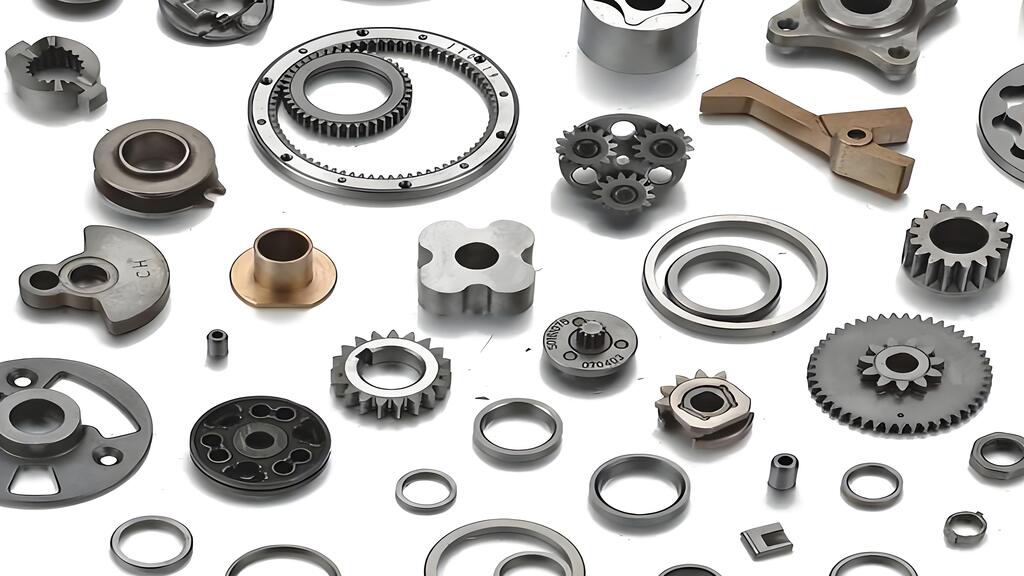


How Powder Metallurgy Can Benefit Crankshaft Pulley?
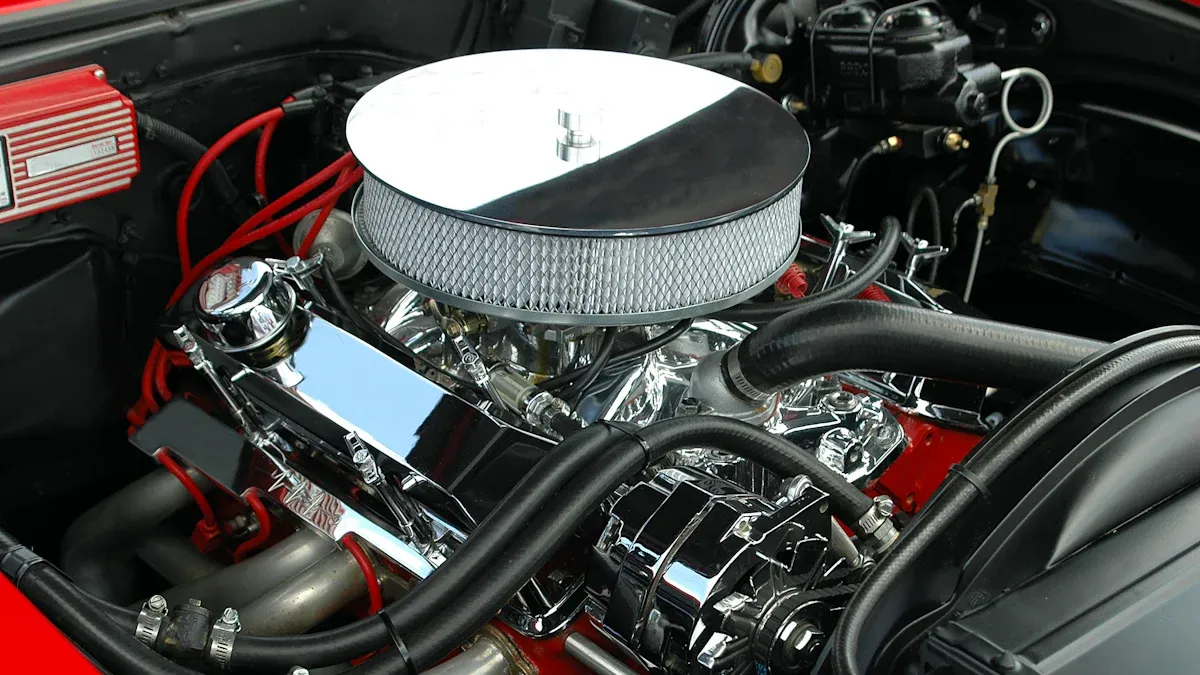
Powder Metallurgy greatly improves crankshaft pulley manufacturing. This advanced process significantly enhances both component performance and overall cost-effectiveness. Manufacturers achieve superior characteristics for these critical engine parts through Powder Metallurgy application, ensuring reliability and efficiency.
Key Takeaways
- Powder Metallurgy makes crankshaft pulleys stronger and lighter. This helps engines work better.
- This method reduces engine noise. It also makes parts last longer by stopping vibrations.
- Powder Metallurgy saves money. It uses less material and needs less extra work.
- It can make complex pulley shapes easily. This allows for special designs and exact sizes.
- The process is fast and uses less energy. This makes it good for the environment.
- Powder Metallurgy lets manufacturers use different materials. They can make pulleys perfect for any engine.
- It helps engines run smarter. It adds special parts that give the engine computer important information.
Enhancing Crankshaft Pulley Performance with Powder Metallurgy
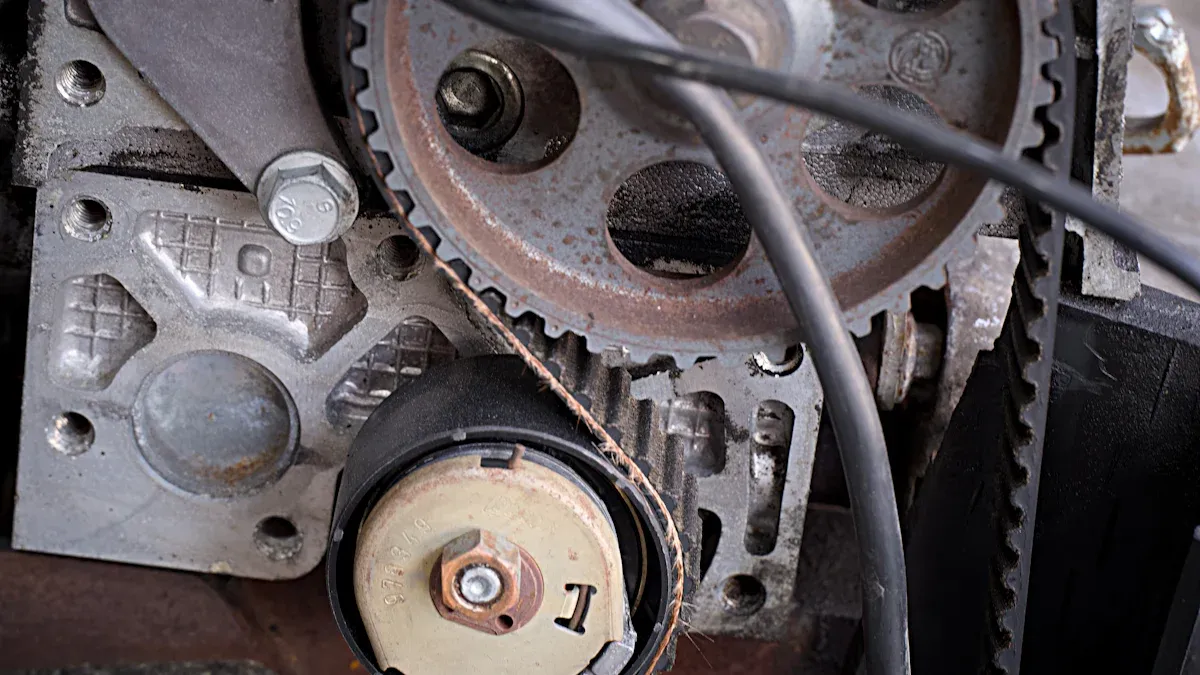
Superior Material Properties for Crankshaft Pulleys
Optimized Strength-to-Weight Ratio
Powder Metallurgy allows engineers to create crankshaft pulleys with an optimized strength-to-weight ratio. This optimization means the pulleys possess the necessary strength to withstand engine forces while remaining lightweight. A lighter pulley reduces the overall mass of rotating components, which improves engine efficiency and responsiveness. Manufacturers can precisely control the material composition, tailoring it to achieve specific mechanical properties. This precision ensures the pulley performs reliably under demanding operational conditions without adding unnecessary weight.
Improved Wear Resistance
Crankshaft pulleys endure constant friction and stress, making wear resistance a critical property. Powder Metallurgy materials are suitable for manufacturing these components. While the inherent properties of Powder Metallurgy itself do not directly improve wear resistance, the process allows for the application of secondary treatments that significantly enhance this characteristic. For instance, hardening processes like carburizing or nitriding are secondary treatments. These treatments substantially improve the wear resistance and fatigue life of materials used in components such as crankshaft pulleys. This enhancement boosts the material's strength and hardness, ensuring the pulley maintains its integrity over an extended period.
Vibration Damping Capabilities in Crankshaft Pulleys
Reduced Engine Noise
The unique microstructure of Powder Metallurgy components contributes to their excellent vibration-damping capabilities. This characteristic directly translates into reduced engine noise. For example, powder metallurgy-driven gears exhibit good wear resistance and low noise. Similarly, sintered camshaft governors offer high precision, good wear resistance, and low noise. The material's ability to absorb and dissipate vibrations minimizes the transmission of noise throughout the engine system, creating a quieter and more refined driving experience.
Extended Component Lifespan
Effective vibration damping not only reduces noise but also extends the lifespan of crankshaft pulleys and other connected engine components. Excessive vibration causes premature wear and fatigue in parts. By mitigating these vibrations, Powder Metallurgy pulleys reduce stress on bearings, belts, and other critical engine elements. This reduction in stress means components last longer, decreasing the need for frequent maintenance and replacements. Powder metallurgy components are also used in motorcycle shock absorbers, such as pistons and valves, to absorb road impact and reduce vibration, thereby improving the driving experience and component longevity. This inherent ability to manage dynamic forces makes Powder Metallurgy an excellent choice for durable and long-lasting crankshaft pulleys.
Cost Reduction Through Powder Metallurgy for Crankshaft Pulleys
Powder Metallurgy offers significant cost reductions in crankshaft pulley manufacturing. This process optimizes material usage and minimizes machining requirements, leading to more economical production. Manufacturers benefit from these efficiencies, which directly impact the bottom line.
Reduced Material Waste in Powder Metallurgy
Near-Net Shape Manufacturing
Near-net shape manufacturing is a core advantage of Powder Metallurgy. This process forms components very close to their final dimensions, significantly reducing the need for extensive machining. Unlike traditional methods that cut away excess material, Powder Metallurgy maximizes material usage. It utilizes nearly 100% of the raw material. This approach drastically cuts down on waste and material costs. It also promotes environmental sustainability. In contrast to casting, forging, and machining, which generate substantial scrap, Powder Metallurgy uses only the necessary amount of metal powder. This minimizes waste effectively.
Efficient Material Utilization
Powder Metallurgy boasts an exceptionally high material utilization rate. This rate can reach nearly 100%. Such efficiency significantly reduces production costs. The process functions as a "chipless" metalworking method. It typically utilizes over 97% of the initial raw material in the final part. This near-net forming technology substantially improves material utilization. It also reduces cutting processes, directly leading to cost reductions for crankshaft pulleys.
Lower Machining Costs with Powder Metallurgy
Minimized Post-Processing
Powder Metallurgy significantly reduces manufacturing costs by minimizing or eliminating secondary machining operations. Its net-shape process means very little or no secondary machining is necessary. This directly impacts the overall production cost by reducing material usage and processing steps. For example, powdered metal gearsshow substantial cost savings compared to machined alternatives. Their near-net-shape manufacturing process uses up to 97 percent of raw materials. Traditional machining wastes considerable material. Many powdered Metal Gears require no secondary machining, further saving time and reducing total manufacturing costs. This principle applies directly to crankshaft pulleys, where complex features can form precisely in a single compaction process.
Simplified Production Steps
The ability of Powder Metallurgy to form complex geometries in a single step simplifies production. This method supports high production volumes while effectively controlling material use and manufacturing costs. It reduces manufacturing time and labor costs, making higher production volumes more economical. This streamlined approach means fewer production steps. It also translates into lower overall manufacturing expenses for crankshaft pulleys.
Precision and Design Flexibility of Powder Metallurgy Crankshaft Pulleys
Powder Metallurgy offers exceptional precision and design flexibility for crankshaft pulleys. This manufacturing method allows for intricate designs and tight tolerances, which are crucial for modern engine components. Manufacturers can achieve complex shapes and consistent quality, enhancing overall engine performance.
Complex Geometries Achieved by Powder Metallurgy
Integrated Features
Powder Metallurgy excels at creating complex geometries with integrated features in a single manufacturing step. This capability allows for the direct formation of intricate elements like teeth, splines, profiles, and various frontal geometries. Traditional manufacturing methods often require multiple machining operations to achieve these features. Integrating these elements directly into the pulley design simplifies the production process. It also reduces the number of individual parts needed for assembly. This approach enhances the functional integrity of the crankshaft pulley.
Customized Designs
The design flexibility of Powder Metallurgy enables the creation of highly customized crankshaft pulleys. Engineers can develop unique designs tailored to specific engine requirements or performance goals. This customization extends to optimizing weight distribution, balancing characteristics, and integrating mounting points. The ability to produce complex, application-specific designs without significant cost penalties makes Powder Metallurgy an ideal choice for innovative automotive solutions. It allows manufacturers to push the boundaries of component design.
Tight Dimensional Tolerances in Powder Metallurgy
Consistent Part Quality
Powder Metallurgy consistently achieves tight dimensional tolerances. This precision ensures every crankshaft pulley meets exact specifications. The controlled compaction and sintering processes minimize variations between parts. This consistency is vital for engine components, where even small deviations can impact performance and reliability. High-dimensional accuracy translates directly into superior product quality and dependable operation.
Reduced Assembly Issues
Tight dimensional tolerances significantly reduce assembly issues. Precisely manufactured crankshaft pulleys fit together seamlessly with other engine components. This accuracy minimizes the need for adjustments or rework during assembly. It also prevents potential fitment problems that could lead to premature wear or operational failures. The consistent dimensions provided by Powder Metallurgy streamline the assembly line, saving time and reducing manufacturing costs. This precision ensures optimal performance and longevity for the entire engine system.
Streamlined Manufacturing Process with Powder Metallurgy
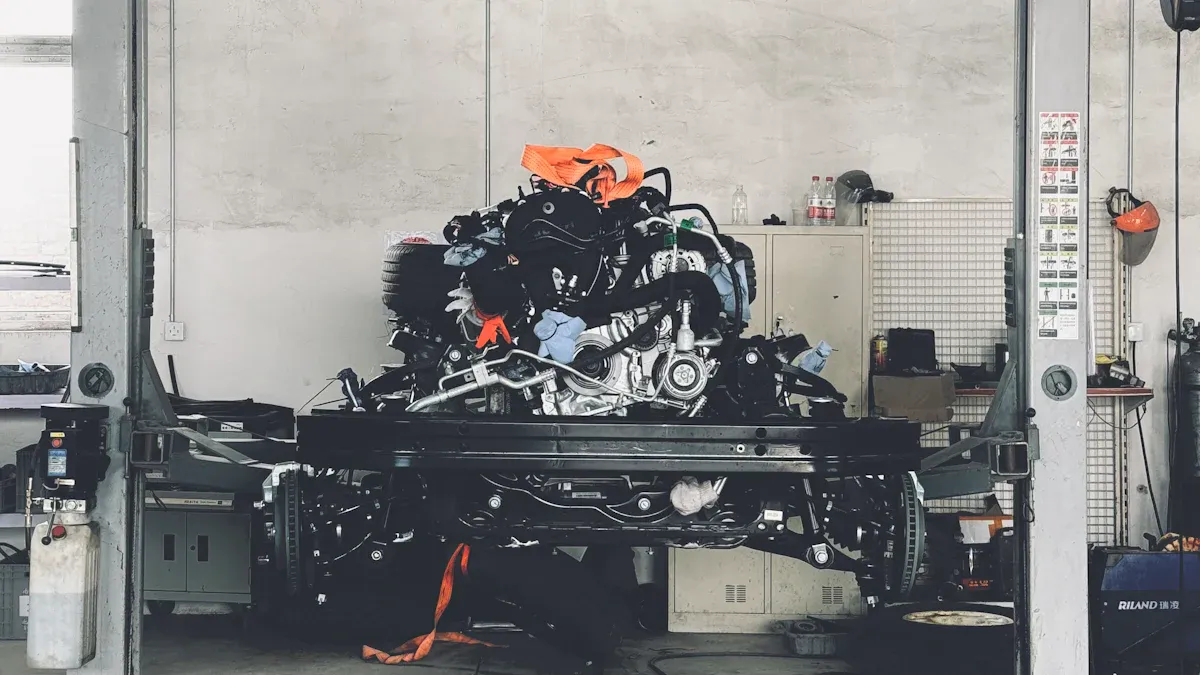
Powder Metallurgy significantly streamlines the manufacturing process for crankshaft pulleys. This method offers distinct advantages in production efficiency and energy consumption. Manufacturers benefit from faster, more consistent, and environmentally conscious production cycles.
High Production Efficiency of Powder Metallurgy
Automated Production Lines
Powder Metallurgy processes are highly amenable to automation. Manufacturers can set up automated production lines for compacting and sintering metal powders. These lines ensure consistent part quality and high throughput. Automation reduces the need for manual labor, which lowers operational costs. It also minimizes human error, leading to more reliable crankshaft pulley production. This capability allows for large-scale manufacturing with precision.
Faster Cycle Times
The Powder Metallurgy process typically involves fewer steps than traditional manufacturing methods. This leads to significantly faster cycle times. Components form in a single compaction step, followed by sintering. This contrasts with casting or forging, which often require extensive machining afterward. The streamlined nature of Powder Metallurgy accelerates production schedules. It allows manufacturers to meet high demand efficiently.
Reduced Energy Consumption in Powder Metallurgy
Lower Processing Temperatures
Powder Metallurgy generally operates at lower processing temperatures compared to conventional metalworking techniques. Sintering, the primary heat treatment, occurs below the material's melting point. This reduces the energy required for heating furnaces. Lower temperatures translate directly into energy savings. They also contribute to a more controlled manufacturing environment.
Environmentally Friendly Production
Powder Metallurgy offers substantial environmental benefits. Its processes consume almost 43% less energy compared to conventional technologies. This significant reduction in energy usage lowers the carbon footprint of manufacturing. The technology is also applicable for producing high-value components, including those found in automotive applications like crankshaft pulleys. Furthermore, the near-net shape capabilities of Powder Metallurgy minimize material waste. This combination of energy efficiency and reduced waste makes it a highly environmentally friendly production method.
Material Versatility and Customization in Powder Metallurgy
Powder Metallurgy offers exceptional material versatility and customization options. This allows manufacturers to precisely tailor crankshaft pulleys for specific performance requirements. Engineers can develop components with unique properties, optimizing them for various engine applications.
Tailored Material Compositions for Powder Metallurgy
Specific Alloy Development
Powder Metallurgy enables the development of specific alloy compositions. Manufacturers can create custom material blends to achieve desired mechanical properties. This precision allows for fine-tuning the material's characteristics. For example, engineers can adjust the composition to enhance fatigue strength or improve ductility. This capability ensures the crankshaft pulley meets exact operational demands.
Performance-Optimized Materials
Powder metallurgy pulleys can be produced with a wide range of materials. These include various metal alloys and composites. This versatility allows for tailoring the pulley's material properties. Manufacturers can optimize characteristics such as strength, hardness, and wear resistance. This ensures the pulley meets specific performance demands. This approach leads to crankshaft pulleys that perform optimally in diverse engine environments.
Magnetic Property Control in Powder Metallurgy
Integrated Sensor Rings
Powder Metallurgy allows for the precise integration of magnetic properties directly into the crankshaft pulley. Manufacturers can incorporate sensor rings or magnetic encoders during the compaction process. These integrated features eliminate the need for separate components and assembly steps. This simplifies the overall design and manufacturing of the pulley. It also enhances the reliability of the magnetic sensing system.
Enhanced Engine Management
The ability to control magnetic properties in Powder Metallurgy components significantly enhances engine management. Integrated sensor rings provide accurate rotational speed and position data to the engine control unit (ECU). This precise information allows the ECU to optimize ignition timing and fuel injection. Better engine management leads to improved fuel efficiency, reduced emissions, and smoother engine operation. This capability makes Powder Metallurgy an ideal choice for modern, high-performance crankshaft pulleys.
Powder Metallurgy offers a compelling solution for crankshaft pulley production. This advanced method delivers significant benefits across performance, cost, precision, and environmental impact. Manufacturers achieve high load and speed handling, along with exceptional precision and consistency, through this process. It also provides substantial cost savings. Adopting Powder Metallurgy ensures the production of high-quality, efficient, and sustainable crankshaft pulleys for modern engines.
FAQ
What is Powder Metallurgy?
Powder Metallurgy is a manufacturing process. It forms metal parts from metal powders. Manufacturers compact these powders into a desired shape. Then, they heat the shape in a controlled atmosphere. This process creates strong, precise components.
How does Powder Metallurgy enhance crankshaft pulley performance?
Powder Metallurgy improves crankshaft pulley performance. It optimizes the strength-to-weight ratio. It also allows for better wear resistance through secondary treatments. This process also provides superior vibration damping. These features lead to a more efficient and durable pulley.
Does Powder Metallurgy reduce manufacturing costs for crankshaft pulleys?
Yes, Powder Metallurgy significantly reduces manufacturing costs. It uses near-net shape manufacturing. This minimizes material waste. It also lowers machining costs. Manufacturers achieve these savings through fewer post-processing steps.
Can Powder Metallurgy create complex crankshaft pulley designs?
Absolutely. Powder Metallurgy excels at creating complex geometries. It allows for integrated features like teeth and splines. This process also supports highly customized designs. Manufacturers achieve tight dimensional tolerances with this method.
Is Powder Metallurgy an environmentally friendly manufacturing process?
Yes, Powder Metallurgy is environmentally friendly. It consumes less energy than traditional methods. The process also minimizes material waste. This makes it a sustainable choice for crankshaft pulley production.
What types of materials can Powder Metallurgy use for crankshaft pulleys?
Powder Metallurgy offers great material versatility. It uses various metal alloys and composites. Manufacturers can tailor material compositions. This allows for specific alloy development. It also creates performance-optimized materials for pulleys.
How does Powder Metallurgy help with engine management in crankshaft pulleys?
Powder Metallurgy allows for integrated sensor rings. These rings provide accurate data to the engine control unit. This enhances engine management. It optimizes ignition timing and fuel injection. This leads to improved fuel efficiency and smoother engine operation.