

Key Parameters for Successful Hot Pressing of Alumina, Silicon Nitride, and Zirconia

Successful Hot Pressing of advanced ceramics like alumina, silicon nitride, and zirconia demands precise control over several critical parameters. Temperature, pressure, holding time, atmosphere, and heating/cooling rates profoundly influence the final material properties. For ceramics, hot pressing typically operates between 1400°C and 2000°C. Manufacturers generally apply uniaxial pressure at 30-50 MPa. Holding time, crucial for achieving density and strength, often ranges from a few minutes to hours. Each ceramic requires specific parameter ranges to achieve optimal performance.
Key Takeaways
- Hot pressing uses heat and pressure together to make strong, dense ceramic parts from powder.
- Temperature, pressure, holding time, and atmosphere are very important for making good ceramics.
- Alumina needs specific temperatures and pressures, and sometimes special additives, to get strong.
- Silicon nitride needs very high temperatures and a nitrogen gas environment to become strong and avoid breaking down.
- Zirconia needs careful temperature control and special stabilizers to prevent cracking and make it tough.
- Each ceramic material has its own special needs for hot pressing to get the best results.
- Controlling how fast you heat and cool the ceramics helps prevent cracks and keeps them strong.
Fundamentals of Ceramic Hot Pressing

What is Hot Pressing?
Definition and Principles
Hot pressing represents a specialized powder metallurgy process. It involves forming powder or powder compacts at elevated temperatures. This technique combines high pressure with a low strain rate. The primary goal of hot pressing is to induce Sintering and creep processes within the material. This method effectively transforms powdered materials into dense, solid components.
Simultaneous Heat and Pressure Application
The fundamental principle of hot pressing relies on the simultaneous application of heat and pressure. This combination promotes uniform densification and eliminates internal defects. Heat facilitates atomic diffusion, allowing atoms to rearrange and redistribute. This atomic movement helps remove internal defects and ensures material uniformity. Concurrently, external pressure eliminates internal defects and pores, bringing internal surfaces into contact. Densification occurs through particle rearrangement and plastic flow at particle contacts. High temperature creep further facilitates mutual penetration and diffusion bonding, effectively removing defects and porosity. The combined action of high pressure and temperature achieves optimal material density, enhancing mechanical properties like strength and structural integrity.
Advantages of Hot Pressing for Advanced Ceramics
Superior Densification
Hot pressing offers superior densification compared to conventional sintering methods. This pressure-assisted sintering technique combines elevated temperature with applied pressure to improve material density. The external pressure leads to reduced pore size and enhanced particle rearrangement. This is particularly beneficial for materials difficult to densify through natural sintering. Hot pressing enhances densification by facilitating mechanisms such as particle rearrangement and fragmentation at lower temperatures. Plastic deformation becomes dominant at intermediate temperatures, accompanied by dislocation creation. Diffusion activates at higher sintering temperatures. This process effectively achieves near fully dense compounds, a significant advantage over conventional Powder Metallurgy procedures.
Enhanced Microstructure Control
Hot pressing provides excellent control over the final microstructure of Ceramic Materials. The applied pressure restricts grain growth during densification. This results in finer, more uniform grain sizes compared to pressureless sintering. Controlling grain size is crucial for optimizing material performance. A finer microstructure generally leads to improved mechanical properties.
Improved Mechanical Properties
The superior densification and enhanced microstructure control achieved through hot pressing directly translate into improved mechanical properties. Materials processed via hot pressing exhibit higher hardness, increased strength, and better fracture toughness. The reduction in porosity and the fine, uniform grain structure minimize stress concentration points. This makes the final ceramic components more robust and reliable for demanding applications.
Key Parameters for Hot Pressing Alumina (Al2O3)
Optimal Temperature for Alumina Hot Pressing
Temperature Ranges for Densification
Achieving optimal densification in alumina (Al2O3) through hot pressing requires careful temperature selection. Researchers typically process alumina at temperatures ranging from 1100°C to 1600°C. The specific temperature depends on the starting powder characteristics, such as particle size and purity, and the desired final properties. Lower temperatures often require higher pressures or longer holding times to reach full density. Conversely, higher temperatures accelerate densification but increase the risk of excessive grain growth.
Impact on Diffusion and Plastic Flow
Temperature significantly influences the primary densification mechanisms in alumina. At elevated temperatures, atomic diffusion rates increase. This allows alumina particles to rearrange and bond more effectively. High temperatures also promote plastic flow, where material deforms under stress. This deformation helps eliminate pores and consolidate the powder compact. The combined effect of enhanced diffusion and plastic flow at optimal temperatures drives the material towards full density.
Grain Growth Control Strategies
Controlling grain growth is crucial for maintaining the mechanical properties of hot-pressed alumina. High temperatures can lead to rapid grain coarsening, which degrades strength and toughness. Strategies to mitigate grain growth include using fine starting powders, incorporating grain growth inhibitors (like MgO), and employing shorter holding times at peak temperature. Rapid heating and cooling rates can also help limit the time available for grains to grow excessively.
Pressure Application in Alumina Hot Pressing
Typical Pressure Ranges
Pressure is a critical parameter in alumina hot pressing, directly influencing densification and microstructure. The applied pressure helps overcome the resistance to particle rearrangement and pore elimination. Researchers and manufacturers use a range of pressures depending on the specific alumina powder and desired outcome.
| Pressure (MPa) | Context/Outcome |
|---|---|
| 50 | Densification mechanism was GB diffusion |
| 80 | Used for sintering Al2O3 ceramics at 1150 °C and 1300 °C; also for manufacturing fully dense micro-sized B4C ceramics |
| 100 | Applied during the sintering of 220 nm alumina at 1125 °C, increasing defects and accelerating lattice diffusion |
| 120 | Used by Meng to obtain nano-grained alumina with ultrafast heating |
| 200 | Achieved densification with limited grain coarsening for 220 nm Al2O3 powder at 1050 °C and 3 μm Al2O3 powder at 1400 °C; used for sintering commercially pure α-Al2O3 powders at relatively low temperatures; prepared fully dense micro-sized alumina at 1400 °C and fully dense nano-sized alumina at 1050 °C |
| Up to 1000 (1 GPa) | Used by Munir for sintering nano-sized ceramics to achieve 98% relative density with high heating rates and short times |
These examples illustrate the varied pressure requirements for different alumina types and processing goals.
Role in Particle Rearrangement
Pressure plays a vital role in the initial stages of densification. It forces powder particles into closer contact, reducing the void spaces between them. This mechanical rearrangement is particularly effective at lower temperatures where diffusion is less active. The applied pressure also helps break down particle agglomerates, leading to a more uniform packing density.
Effects on Final Density
Higher applied pressures generally lead to higher final densities in hot-pressed alumina. Pressure directly aids in closing pores and eliminating residual porosity. It provides the driving force for plastic deformation and creep, which are essential for achieving full densification. However, excessively high pressures can sometimes induce defects or require more robust tooling. Therefore, engineers must balance pressure with temperature and holding time to achieve optimal density without compromising material integrity.
Holding Time and Rates for Alumina Hot Pressing
Sufficient Holding Time for Densification
Holding time, or dwell time, at peak temperature and pressure is crucial for complete densification of alumina. This period allows sufficient time for diffusion mechanisms to operate fully. It also ensures the elimination of residual pores. An insufficient holding time can result in incomplete densification and lower final density. Conversely, excessively long holding times can lead to undesirable grain growth, which negatively impacts mechanical properties.
Controlled Heating Rates
Controlling the heating rate is important for preventing thermal shock and ensuring uniform temperature distribution throughout the alumina compact. Rapid heating can create steep temperature gradients, leading to internal stresses and potential cracking. A controlled heating rate allows the material to expand uniformly and minimizes thermal stress. It also provides time for initial particle rearrangement and pore evolution before reaching the peak densification temperature.
Optimized Cooling Rates
The cooling rate after hot pressing also affects the final properties of alumina. Rapid cooling can induce thermal stresses, potentially leading to cracking or microstructural defects. Slow cooling rates, however, can allow for further grain growth, especially if the material remains at elevated temperatures for an extended period. An optimized cooling rate balances the need to relieve internal stresses with the desire to preserve the fine microstructure achieved during the Hot Pressing process. This ensures the final alumina component possesses the desired mechanical integrity and performance.
Atmosphere Control in Alumina Hot Pressing
Air or Inert Atmospheres
Controlling the processing atmosphere is paramount during alumina hot pressing. The chosen atmosphere directly influences the material's purity and final properties. Manufacturers typically employ an inert atmosphere, such as argon or nitrogen, or a vacuum. These environments prevent oxidation of the die components and avoid contamination of the alumina material. Argon, a highly stable inert gas, rarely reacts with other elements. This characteristic makes it suitable for processes demanding very pure atmospheres, especially for materials sensitive to oxygen or nitrogen. Argon maintains stability even at ultra-high temperatures, exceeding 1600°C, and offers superior cleanliness, minimizing impurity contamination.
Alternatively, air can serve as the processing atmosphere if the hot pressing setup avoids graphite components. Graphite reacts with oxygen at elevated temperatures, forming carbon oxides, which can contaminate the alumina or damage the tooling. The selection of a shielding gas depends on several factors: material sensitivity, specific process goals (e.g., achieving an inert environment), budget constraints, safety considerations, and the scale of production. For specialized applications requiring the utmost purity, argon remains the preferred choice despite its higher cost.
Influence on Purity and Properties
The processing atmosphere significantly impacts the purity and resulting properties of hot-pressed alumina. An inert atmosphere or vacuum prevents undesirable chemical reactions between the alumina powder and ambient gases. Oxygen, for instance, can react with certain impurities within the alumina or with the tooling, leading to defects or altered stoichiometry. Nitrogen, while generally inert, can sometimes react with specific additives or impurities at very high temperatures.
Maintaining a clean, controlled atmosphere ensures the final alumina product retains its intended chemical composition and structural integrity. Contaminants introduced from the atmosphere can act as nucleation sites for defects, hinder densification, or degrade mechanical and electrical properties. For example, even trace amounts of impurities can affect the optical transparency or dielectric strength of high-performance alumina ceramics. Using high-purity argon, though more expensive, guarantees an environment with minimal reactive species. This ensures the highest level of material purity and allows for the development of advanced alumina components with superior performance characteristics. The careful management of the atmosphere thus plays a critical role in achieving the desired quality and reliability of the final ceramic product.
Key Parameters for Hot Pressing Silicon Nitride (Si3N4)
Silicon nitride (Si3N4) stands as a high-performance ceramic. Its exceptional properties, such as high strength, toughness, and thermal shock resistance, make it valuable for demanding applications. Achieving these properties through Hot Pressing requires precise control over several key parameters.
Temperature Requirements for Silicon Nitride Hot Pressing
Higher Temperature Ranges
Silicon nitride demands higher processing temperatures compared to alumina. Its strong covalent bonds require more energy to facilitate atomic diffusion and densification. Manufacturers typically hot-press silicon nitride at temperatures ranging from 1600°C to 1900°C. These elevated temperatures provide the necessary thermal energy for particle rearrangement, plastic deformation, and the critical phase transformations that enhance its mechanical properties.
Role of Sintering Aids
Pure silicon nitride is difficult to densify without assistance. Sintering aids play a crucial role in promoting densification at practical temperatures. These additives react with the silicon nitride powder and its native surface silica layer. They form a liquid phase at high temperatures. This liquid phase facilitates mass transport and particle rearrangement, allowing the material to densify more effectively.
Commonly used sintering aids include:
- Metal Oxides: MgO, Al2O3, Y2O3, Yb2O3, La2O3, Lu2O3. These oxides react with Si3N4 and surface SiO2 at high temperatures. They form an M–Si–O–N liquid phase, promoting densification through liquid-phase sintering.
- Nitrides: AlN, YN, TaN, Mg3N2, Be3N2, BeSiN2. These also serve as additives to facilitate consolidation.
- MgSiN2: This compound has an orthorhombic crystal structure. It reacts with surface silica and Si3N4 to form a Mg–Si–O–N liquid phase, promoting densification. It results in less glass boundary phase compared to MgO due to lower oxygen and higher nitrogen content. It can supply magnesium ions to decrease the melting point of silicate glass without increasing oxygen content.
- Rare-earth oxides (e.g., Yb2O3): These oxides promote mass transport and accelerate the α−β transformation.
Alpha to Beta Phase Transformation
Silicon nitride exists in two main crystallographic forms: alpha (α-Si3N4) and beta (β-Si3N4). The alpha phase is typically the starting powder, while the beta phase offers superior mechanical properties, especially at high temperatures. During Hot Pressing, the alpha phase transforms into the beta phase. This α-β transformation is critical for developing the interlocking, elongated grain microstructure that gives silicon nitride its excellent fracture toughness. Sintering aids and sufficient holding time at peak temperature facilitate this transformation.
Pressure Application in Silicon Nitride Hot Pressing
Higher Pressure Ranges
Pressure is a vital parameter for densifying silicon nitride, especially given its strong covalent bonds. It helps overcome the inherent resistance to densification and promotes particle rearrangement and plastic flow. The applied pressure also aids in forming the desired microstructure.
Typical pressure ranges for silicon nitride processing include:
- Hot Pressed Silicon Nitride (HPSN): Manufacturers typically produce HPSN at a pressure of about 40 MPa.
- Gas Pressure Sintered Silicon Nitride (GPSN): This material is obtained at a pressure of 1-10 MPa. This high nitrogen pressure inhibits the pyrolysis of silicon nitride and promotes the growth of Si3N4 grains, leading to high-toughness ceramics with a density of >99%.
Influence on Grain Morphology
Pressure significantly influences the final grain morphology of silicon nitride. Higher pressures, combined with appropriate sintering aids and temperatures, encourage the growth of elongated, interlocking beta-Si3N4 grains. This unique microstructure acts as a crack deflection mechanism, greatly enhancing the material's fracture toughness and strength. Controlling pressure allows engineers to tailor the grain aspect ratio and distribution, optimizing the ceramic for specific applications.
Achieving High Density
Applying pressure during Hot Pressing is essential for achieving high density in silicon nitride. The mechanical force helps to close pores, reduce void spaces, and consolidate the powder compact. Without sufficient pressure, residual porosity can remain, compromising the material's mechanical integrity. The combined action of high temperature and pressure drives the material towards near-theoretical density, which is crucial for maximizing its performance in demanding environments.
Holding Time and Rates for Silicon Nitride Hot Pressing
Optimizing Holding Time for Phase Transformation
The holding time at peak temperature and pressure is critical for silicon nitride. This duration allows the α-β phase transformation to complete. It also provides sufficient time for the liquid phase, formed by sintering aids, to facilitate mass transport and pore elimination. An optimized holding time ensures full densification and the development of the desired interlocking beta-Si3N4 grain structure. Insufficient holding time can lead to incomplete transformation and lower density.
Managing Thermal Stresses
Silicon nitride possesses high thermal shock resistance, but rapid heating or cooling rates during Hot Pressing can still induce thermal stresses. These stresses can lead to cracking or microstructural defects. Controlled heating rates allow the material to expand uniformly. Similarly, optimized cooling rates prevent the formation of steep temperature gradients, minimizing internal stresses and preserving the integrity of the densified component.
Preventing Decomposition
Silicon nitride can decompose at very high temperatures, especially in the absence of a protective atmosphere. This decomposition releases nitrogen gas, which can create porosity and degrade the material's properties. Careful control of the heating rate, peak temperature, and processing atmosphere (often nitrogen) helps prevent this undesirable decomposition. Maintaining a slight overpressure of nitrogen can suppress the dissociation reaction, ensuring the chemical stability of the silicon nitride throughout the Hot Pressing process.
Atmosphere Control in Silicon Nitride Hot Pressing
Necessity of Nitrogen Atmosphere
Controlling the atmosphere during silicon nitride processing is critically important. Silicon nitride (Si3N4) is a covalently bonded ceramic. It can decompose at the high temperatures required for densification. This decomposition involves the release of nitrogen gas (N2). This process leaves behind silicon-rich phases or even free silicon. Such changes significantly degrade the material's properties. To prevent this decomposition, engineers typically conduct silicon nitride Hot Pressing in a nitrogen atmosphere.
A nitrogen atmosphere, often maintained at a slight overpressure, suppresses the dissociation reaction. According to Le Chatelier's principle, increasing the concentration of a product (nitrogen gas) shifts the equilibrium towards the reactants (silicon nitride). This action effectively prevents the silicon nitride from breaking down. The nitrogen gas acts as a protective blanket. It ensures the material retains its chemical integrity throughout the high-temperature process. Without this protective atmosphere, the silicon nitride would lose nitrogen. This would lead to porosity and a drastic reduction in mechanical performance.
Maintaining Stoichiometry
Maintaining the correct stoichiometry is essential for silicon nitride. Stoichiometry refers to the precise ratio of elements in a chemical compound. For silicon nitride, this ratio is 3 silicon atoms to 4 nitrogen atoms (Si3N4). The decomposition of silicon nitride at high temperatures directly impacts this ratio. When nitrogen gas escapes, the material becomes nitrogen-deficient. This alters the Si:N ratio.
An altered stoichiometry can have severe consequences for the final ceramic. It can lead to the formation of undesirable secondary phases. These phases often have different thermal expansion coefficients. This can create internal stresses and microcracks. Furthermore, a non-stoichiometric silicon nitride typically exhibits reduced strength, lower fracture toughness, and diminished high-temperature stability. The nitrogen atmosphere prevents this loss of nitrogen. It ensures the silicon nitride maintains its ideal Si3N4 composition. This preservation of stoichiometry is fundamental. It guarantees the final product possesses the superior mechanical and thermal properties expected from high-performance silicon nitride ceramics.
Key Parameters for Hot Pressing Zirconia (ZrO2)
Zirconia (ZrO2) is a versatile ceramic material. It offers excellent mechanical properties, including high strength and fracture toughness. Achieving these properties through Hot Pressing requires careful control of processing parameters.
Temperature Considerations for Zirconia Hot Pressing
Moderate Temperature Ranges
Zirconia exhibits unique phase transformations. These transformations make temperature control critical during processing. Zirconia undergoes a structural transformation from monoclinic to polytetragonal at approximately 1100°C to 1200°C. This transformation is a critical phase in its sintering process. It contributes to the stabilization of the material and enhances its mechanical properties. While the optimal firing temperature for maximizing strength and density is typically between 1500°C and 1550°C, the lower range is crucial for phase control. Engineers must balance the need for high temperatures to promote densification with the need to manage these phase changes.
Role of Stabilizers
Pure zirconia undergoes a detrimental phase transformation upon cooling. This transformation causes significant volume changes. These changes can lead to cracking. To prevent this, manufacturers use various stabilizers. These stabilizers help maintain zirconia in its high-temperature tetragonal or cubic phases at room temperature.
- Y2O3, MgO, Al2O3, Bi2O3, and CaO: These compounds serve as phase stabilizers. They improve the mechanical and thermal properties of zirconia. Doping with these stabilizers reduces the transformation of the tetragonal phase. This leads to a structure with lower residual stress within the lattice.
- CaO-doped zirconia: This material exhibits superior mechanical properties under high-temperature conditions. These properties include higher hardness and better high-temperature oxidation resistance. It outperforms zirconia doped with other stabilizers. The type and concentration of stabilizers determine whether zirconia becomes partially stabilized zirconia (PSZ) or fully stabilized zirconia (FSZ) at high temperatures.
- Yttria (Y2O3): This stabilizer maintains zirconia in a cubic phase at room temperature. It enhances mechanical properties and thermal stability. It also eliminates phase transition issues. Yttria optimizes density, thermal conductivity, and ionic conductivity.
- Calcia (CaO): Calcia offers good thermal stability and resistance to thermal shock. It exhibits a mix of cubic and tetragonal phases depending on content. It has lower thermal conductivity than YSZ, making it suitable for insulation. It also provides sufficient ionic conductivity for certain electrochemical applications.
- Magnesia (MgO): Manufacturers use magnesia as a stabilizing oxide. It maintains zirconia in a tetragonal or cubic phase at room temperature. This prevents detrimental phase transitions and enhances mechanical and thermal properties.
A study utilized 3 mol% Y2O3-doped ZrO2 powder (TZ-3Y, Tosoh Co., Japan) as the starting material. This indicates its common use in processing zirconia.
Phase Transformation Control
Controlling zirconia's phase transformations is paramount for its performance. The monoclinic-tetragonal transformation is particularly important. Engineers aim to retain the tetragonal phase at room temperature. This phase provides transformation toughening. When a crack propagates, the metastable tetragonal phase transforms to the monoclinic phase. This transformation absorbs energy and impedes crack growth. For 10 mol% MgO partially-stabilized zirconia (Mg-PSZ), optimal sintering conditions under high pressure (2.5 GPa) were determined to be 1530°C. This temperature effectively controlled phase transformation behavior and achieved maximum Vickers hardness. Sintering at 1610°C, however, led to grain coarsening and reduced hardness. This indicates the importance of precise temperature control for phase stability and mechanical properties under high-pressure hot pressing.
Pressure Application in Zirconia Hot Pressing
Typical Pressure Ranges
Pressure is a key factor in densifying zirconia. It helps overcome the inherent resistance to particle rearrangement and pore elimination. Typical pressure ranges for hot pressing zirconia fall between 50 MPa and 200 MPa. The specific pressure depends on the desired density, grain size, and the type of stabilizer used. Higher pressures generally lead to faster densification and lower porosity.
Balancing Density and Grain Size
Applied pressure significantly influences both the final density and the grain size of zirconia. Higher pressures promote densification by forcing particles closer together. This reduces void spaces. However, excessive pressure can sometimes lead to rapid grain growth, especially at higher temperatures. Engineers must carefully balance pressure with temperature and holding time. This ensures they achieve maximum density while maintaining a fine, uniform grain structure. A fine grain size is crucial for optimal mechanical properties.
Minimizing Porosity
Pressure plays a direct role in minimizing porosity in hot-pressed zirconia. It mechanically closes pores and reduces their size. This action helps eliminate residual porosity. The applied force aids in plastic deformation and creep mechanisms. These mechanisms are essential for achieving near-theoretical density. Minimizing porosity directly translates to improved strength, hardness, and fracture toughness in the final ceramic component.
Holding Time and Rates for Zirconia Hot Pressing
Balancing Holding Time and Grain Growth
Holding time, or dwell time, at peak temperature and pressure allows for complete densification. It provides sufficient time for diffusion mechanisms to operate. This ensures the elimination of residual pores. However, prolonged holding times can lead to undesirable grain growth. Grain growth can degrade mechanical properties. Engineers must optimize holding time. This ensures full densification without excessive grain coarsening.
Careful Cooling for Phase Stability
The cooling rate after hot pressing significantly impacts zirconia's final phase composition and properties. Rapid cooling can trap high-temperature phases. It can also induce thermal stresses. These stresses can lead to cracking. Slow cooling rates allow for controlled phase transformations. For example, they can facilitate the desired tetragonal-to-monoclinic transformation for toughening. They can also maintain the stability of the tetragonal or cubic phases with stabilizers. Careful cooling ensures the material achieves its intended phase structure.
Preventing Cracking
Controlled heating and cooling rates are essential for preventing cracking in zirconia components. Rapid temperature changes create steep thermal gradients. These gradients induce internal stresses. These stresses can cause microcracks or macroscopic fractures. An optimized cooling profile minimizes thermal stresses. It allows the material to contract uniformly. This preserves the integrity of the densified zirconia. It ensures the final component possesses the desired mechanical reliability.
Atmosphere Control in Zirconia Hot Pressing
Air or Inert Atmospheres
Controlling the processing atmosphere is crucial during zirconia processing. The chosen atmosphere directly influences the material's purity and final properties. Manufacturers often use air, an inert atmosphere like argon or nitrogen, or a vacuum. Each option presents distinct advantages and disadvantages.
Air can serve as the processing atmosphere if the hot pressing setup avoids graphite components. Graphite reacts with oxygen at elevated temperatures, forming carbon oxides. These oxides can contaminate the zirconia or damage the tooling. If the tooling is non-graphitic, air offers a cost-effective option. However, air introduces oxygen, which can interact with the zirconia, especially if it contains dopants or is intended for specific electrochemical applications.
Inert atmospheres, such as argon or nitrogen, or a vacuum, prevent oxidation of the die components and avoid contamination of the zirconia material. Argon, a highly stable inert gas, rarely reacts with other elements. This characteristic makes it suitable for processes demanding very pure atmospheres, especially for materials sensitive to oxygen. Argon maintains stability even at ultra-high temperatures and offers superior cleanliness, minimizing impurity contamination. Nitrogen is also an inert gas, but it can sometimes react with specific additives or impurities at very high temperatures, though less frequently than oxygen. Vacuum environments effectively remove gaseous contaminants, providing a very clean processing condition. The selection of a shielding gas depends on material sensitivity, specific process goals, budget constraints, and safety considerations. For specialized applications requiring the utmost purity, argon remains the preferred choice despite its higher cost.
Impact on Oxygen Stoichiometry
The processing atmosphere significantly impacts the oxygen stoichiometry of zirconia. Zirconia (ZrO2) is an oxide ceramic. Its properties are highly sensitive to the precise ratio of oxygen to zirconium atoms. Deviations from the ideal ZrO2 stoichiometry can occur, especially at high temperatures.
An oxidizing atmosphere, such as air, ensures the zirconia remains fully oxidized. This maintains the ZrO2 stoichiometry. This is often desirable for structural applications where oxygen vacancies are not intentionally introduced. However, for applications like solid oxide fuel cells (SOFCs), zirconia is often doped with yttria (YSZ) to create oxygen vacancies. These vacancies enhance ionic conductivity. In such cases, the atmosphere must carefully control the oxygen partial pressure. This control prevents either excessive oxidation or reduction of the zirconia lattice.
A reducing atmosphere or a vacuum can lead to a loss of oxygen from the zirconia lattice. This creates oxygen vacancies. While intentional oxygen vacancies are beneficial for ionic conductivity, uncontrolled reduction can degrade mechanical properties. It can also lead to the formation of undesirable sub-stoichiometric phases (e.g., ZrO2-x). These phases often have different thermal expansion coefficients. This can induce internal stresses and microcracks. Maintaining a clean, controlled atmosphere ensures the final zirconia product retains its intended chemical composition and structural integrity. Contaminants or an inappropriate oxygen partial pressure can alter the oxygen stoichiometry. This affects the material's electrical, thermal, and mechanical performance. Therefore, careful management of the atmosphere plays a critical role in achieving the desired quality and reliability of the final ceramic product.
Comparative Analysis of Hot Pressing Parameters
Similarities and Differences Across Materials
Commonalities in Parameter Importance
Temperature, pressure, holding time, and atmosphere consistently emerge as critical parameters for successful ceramic densification. These factors collectively govern the final properties of alumina, silicon nitride, and zirconia. Across all three materials, engineers aim for high density, fine grain size, and superior mechanical performance. Achieving these goals relies on carefully controlling the energy input (temperature), mechanical force (pressure), duration of treatment (holding time), and chemical environment (atmosphere). Each parameter influences the atomic diffusion, particle rearrangement, and phase transformations essential for consolidating ceramic powders into dense, functional components.
Distinct Material Requirements
Despite these commonalities, alumina, silicon nitride, and zirconia exhibit distinct requirements during processing. Silicon nitride typically demands higher processing temperatures, often ranging from 1600°C to 1900°C, due to its strong covalent bonds. Alumina generally processes at moderate temperatures, between 1100°C and 1600°C. Zirconia also uses moderate temperatures, but its processing focuses on managing critical phase transformations. Pressure requirements also vary; silicon nitride often necessitates higher pressures to overcome its inherent resistance to densification.
Sintering aids play a crucial role for silicon nitride, promoting densification and facilitating the alpha-beta phase transformation. For alumina, engineers use additives like MgO to control grain growth. Zirconia relies on stabilizers such as yttria or magnesia to prevent detrimental phase changes. Furthermore, atmosphere control differs significantly among these materials.
| Ceramic Type | Atmosphere Control |
|---|---|
| Alumina | Not specified (often air or inert) |
| Silicon Nitride | Nitrogen atmosphere |
| Zirconia | Not specified (often air or inert) |
| Other Non-oxides (Carbides, Borides, Silicides) | Vacuum or inert gas (e.g., argon) |
Silicon nitride specifically requires a nitrogen atmosphere to prevent decomposition at high temperatures. Other non-oxide ceramics, such as carbides, borides, and silicides, often process under vacuum or an inert gas like argon.
Intrinsic Properties Dictating Ranges
The intrinsic properties of each ceramic dictate its specific processing parameter ranges. Silicon nitride's strong covalent bonds require more thermal energy and mechanical force for densification. This explains its higher temperature and pressure requirements. Zirconia's polymorphic transformations, particularly the monoclinic-tetragonal change, necessitate precise temperature control and the use of stabilizers to maintain phase stability. Alumina, with its relatively stable crystal structure, focuses more on achieving high density and controlling grain growth. The tendency of silicon nitride to decompose at high temperatures further emphasizes the need for a protective nitrogen atmosphere. Surface chemistry, including native oxides and interactions with sintering aids, also influences how each material responds to processing conditions.
Interplay and Optimization of Hot Pressing Parameters
Parameter Interaction Effects
Processing parameters do not act in isolation; they exhibit complex interaction effects. For instance, temperature and pressure significantly influence the grain structure in materials. They affect recovery, recrystallization, and grain growth mechanisms. Increased temperature facilitates recovery by enhancing dislocation annihilation, as it is a thermal activated process. Higher pressure, on the other hand, increases strain energy, accelerating recrystallization and contributing to a reduction in grain size. For grain growth, increasing temperature accelerates the process by affecting grain boundary mobility. The interaction also involves the Zener pinning effect, where secondary phase particles resist grain boundary movement, influenced by factors like particle size and volume fraction.
In polypropylene–hydroxyapatite composites, increasing both pressure and temperature during molding leads to changes in mechanical properties and fracture modes. Specifically, higher pressure enhances density, crystallinity, ultimate tensile strength, and Young’s modulus. Higher temperature increases melt flow index (MFI), ultimate tensile strength, and Young’s modulus, while decreasing impact resistance. The combined effect can also shift the fracture mode from ductile to brittle. These examples highlight that adjusting one parameter often necessitates adjustments in others to achieve the desired outcome.
Defining the Processing Window
The "processing window" defines the range of parameters that yield successful ceramic components. For Ultra-High Temperature Ceramics (UHTCs) like ZrB2 and HfB2, the processing window is significantly influenced by the required sintering temperatures and the stability of grain boundary phases. For instance, densification of metal carbides such as HfC or TaC necessitates sintering temperatures exceeding 2300°C. The upper limit of the operational temperature is directly tied to the characteristics of grain boundary phases and second phases, which are themselves dependent on the sintering aids used. An example of this limitation is that above 1200°C, B2O3 becomes unstable and non-protective due to volatilization, thereby restricting the effective processing window at higher temperatures. This window is bounded by lower limits, where insufficient densification occurs, and upper limits, where issues like decomposition, excessive grain growth, or tooling limitations arise.
Holistic Parameter Optimization
Optimizing ceramic processing requires a holistic approach. Engineers cannot optimize parameters in isolation. Instead, they must consider the complex interplay between temperature, pressure, holding time, and atmosphere. This often involves using experimental design methodologies and computational modeling to map the parameter space. The goal is to define an optimal processing window that efficiently achieves a balance of desired properties, including high density, controlled microstructure, and superior mechanical performance. A comprehensive understanding of these interactions allows for the precise tailoring of ceramic materials for specific applications.
Optimizing Hot Pressing for Desired Ceramic Properties
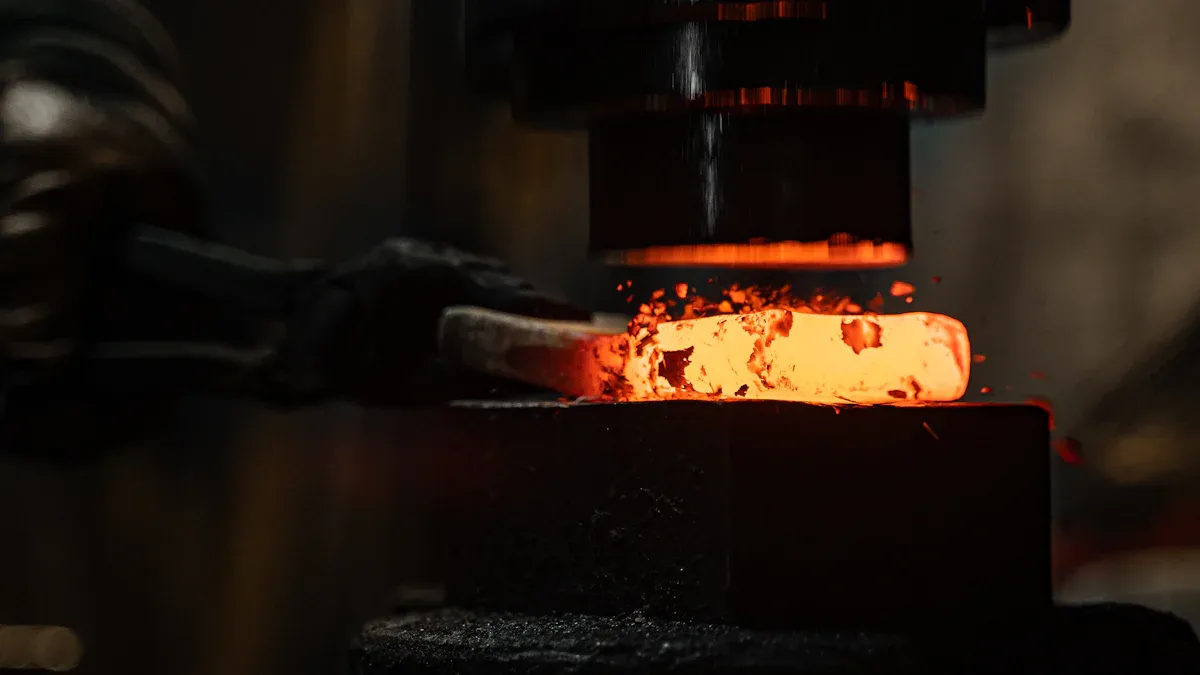
Engineers optimize ceramic processing parameters to achieve specific material characteristics. This involves careful adjustments to temperature, pressure, holding time, and atmosphere. The goal is to produce ceramics with superior mechanical and functional properties for various applications.
Achieving High Density and Low Porosity
Parameter Adjustments for Maximum Densification
Achieving maximum densification and eliminating porosity requires precise parameter control. Hot Isostatic Pressing (HIP) combines very high gas pressure with high temperatures. This accelerates atomic diffusion and completes pore closure. It leads to near-theoretical density and exceptional strength. Vacuum hot press machines apply heat and pressure in a vacuum. This consolidates material and pushes porosity levels below 1% by removing almost all trapped air. These methods effectively reduce voids within the ceramic structure.
Eliminating Residual Porosity
Residual porosity significantly degrades ceramic performance. Engineers eliminate it by ensuring sufficient time at peak temperature and pressure. This allows material flow to fill remaining voids. The applied pressure mechanically closes pores. High temperatures enhance diffusion, which helps atoms rearrange and fill microscopic gaps.
Controlling Microstructure and Grain Size
Techniques for Specific Grain Sizes
Controlling microstructure, especially grain size, is crucial for ceramic properties. Hot pressing sintering offers advantages over pressureless sintering. It simultaneously applies heat and pressure. This method reduces forming pressure, lowers sintering temperature, and shortens sintering time. These factors inhibit grain growth. The outcome is typically products with fine grains, high density, and enhanced mechanical and electrical properties.
Techniques for achieving specific grain sizes include:
- Simultaneous Application of Heat and Pressure: This fundamental aspect leads to high final density and fine grain size.
- Powder Characteristics: Utilizing powders free of agglomerates, with a narrow particle size distribution, and a fine initial particle size promotes rapid densification. This is crucial for controlling microstructure and achieving fine grains.
- Optimization of Pressing Conditions: Adjusting processing temperature and duration time helps achieve desired microstructures.
Impact on Mechanical Properties
Grain size, texture, and internal residual stress collectively influence crack propagation behavior. Controlling texture offers a beneficial route to improve mechanical properties like flexural strength and fracture toughness. Si3N4 ceramics prepared by hot pressing achieved outstanding flexural strength (1096 MPa) and fracture toughness (10.61 MPa ∙ m1/2) with a relatively high texture degree. Engineering crystallographic texture enhances overall properties of Si3N4 ceramics. Strong internal relationships exist between texture microstructure and anisotropic properties, including thermal conductivity, flexural strength, elastic modulus, and hardness.
Enhancing Mechanical and Functional Properties
Linking Parameter Optimization to Hardness
Parameter optimization directly influences ceramic hardness. A study on ZrO2–Al–C ceramic tool material investigated how temperature, pressure, and isothermal holding time, along with initial component concentrations, influence Vickers hardness (HV15) and fracture toughness (K1C). Researchers established relationships to optimize these parameters for desired material properties, including hardness, for applications like blade tools.
| Material Composition | Brinell Hardness (HB) |
|---|---|
| Pure Al | 56.8 |
| Al/5B4C | 65.5 |
| Al/5B4C/5SiC | 70.7 |
| Al/5B4C/10SiC | 76.9 |
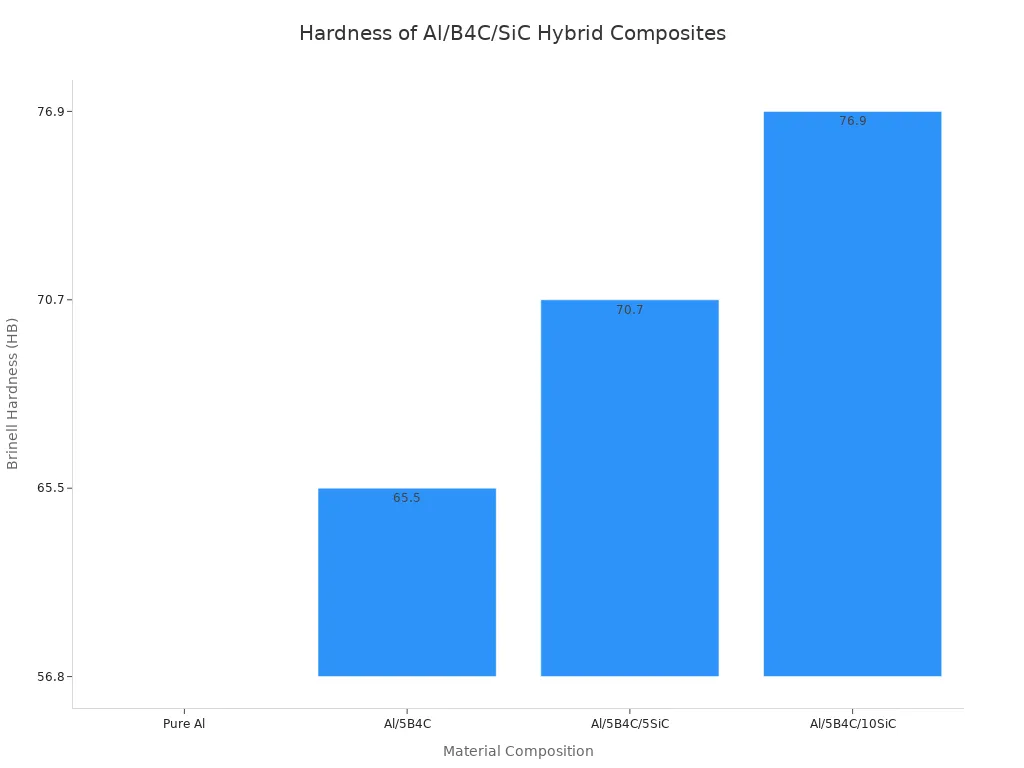
This study on direct Al/B4C/SiC hybrid composites demonstrated that increasing the SiC reinforcement ratio significantly enhances hardness. For instance, the Al/5B4C composite showed a 15.32% increase in hardness compared to pure Al due to B4C reinforcement. Further addition of SiC in Al/5B4C/5SiC led to an additional 7.94% hardness increase.
Tailoring Properties for Applications
Engineers tailor hot pressing parameters to achieve specific functional properties for different ceramic applications. Hot Isostatic Pressing (HIP) significantly enhances the toughness of special ceramics. HIP technology substantially decreases the sintering temperature and time. This optimizes the process for energy efficiency and cost-effectiveness. It prevents the degradation of fibers or whiskers within the ceramic matrix. These are crucial for enhancing mechanical properties like strength and toughness. HIP simultaneously applies heat and pressure to accelerate densification and improve overall ceramic performance, particularly for complex 3D shapes. Monitoring key temperatures via optical dilatometer thermal analysis ensures optimal sintering conditions during HIP.
Precise parameter control is critical for successful ceramic densification. Alumina, silicon nitride, and zirconia each demand unique processing conditions. Engineers must understand the distinct temperature, pressure, holding time, and atmosphere requirements for each material. Recognizing the complex interplay between these parameters is essential. This ensures the production of high-performance ceramics with optimal mechanical and functional properties.
FAQ
What is the primary advantage of hot pressing over conventional sintering?
Hot pressing simultaneously applies heat and pressure. This achieves superior densification and finer microstructures. It significantly enhances mechanical properties.
Why does silicon nitride require higher hot pressing temperatures than alumina?
Silicon nitride possesses strong covalent bonds. These bonds demand more energy for atomic diffusion and densification. This necessitates higher processing temperatures.
What role do sintering aids play in hot pressing silicon nitride?
Sintering aids form a liquid phase at high temperatures. This liquid phase facilitates mass transport and particle rearrangement. It promotes effective densification of silicon nitride.
Why is atmosphere control crucial when hot pressing zirconia?
Atmosphere control prevents contamination and maintains oxygen stoichiometry. This ensures the zirconia retains its intended chemical composition and structural integrity.
How does applied pressure influence grain size during hot pressing?
Applied pressure helps achieve high density. It also restricts grain growth. This results in finer, more uniform grain sizes.
What happens if the holding time is insufficient during hot pressing?
Insufficient holding time leads to incomplete densification. It results in lower final density and residual porosity. This compromises the material's mechanical properties.
Why are stabilizers necessary for hot pressing zirconia?
Stabilizers prevent detrimental phase transformations in zirconia upon cooling. They help maintain the high-temperature tetragonal or cubic phases. This avoids cracking and enhances toughness.