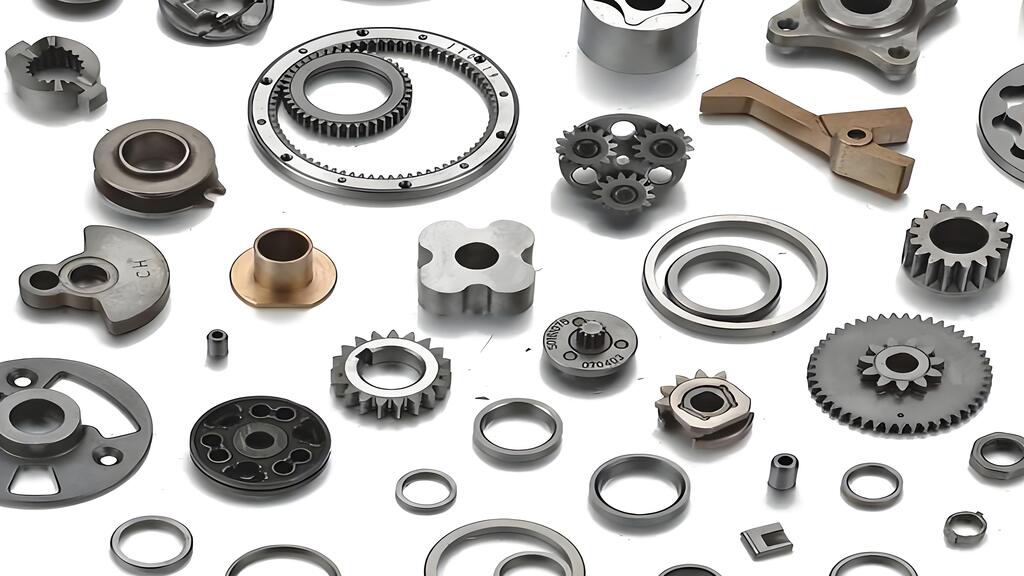


Surface Treatment for Tungsten Alloy Parts
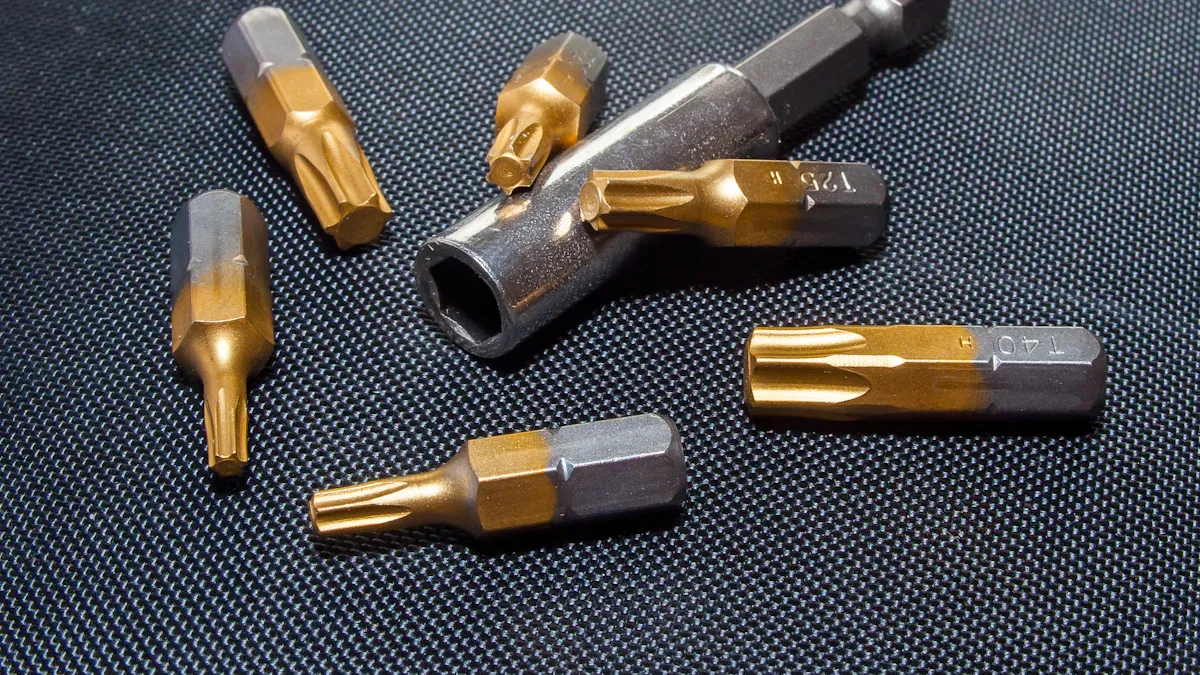
Surface treatments significantly enhance the inherent properties of Tungsten Alloy Parts, tailoring them for specific applications. This modification optimizes performance and extends the lifespan of these critical components. Strategic surface engineering unlocks new possibilities, ensuring materials meet demanding operational requirements. It plays a crucial role in maximizing material potential across various industries.
Key Takeaways
- Surface treatments make tungsten alloy parts better. They help parts work well and last longer.
- Treatments fix problems like rust and wear. They make tungsten alloys useful for more jobs.
- Treated parts need less repair. They also work more reliably, saving money and time.
- Different treatments change how parts work. They can make parts harder, better with heat, or good for electricity.
- Common treatments include blasting, chemical baths, and special coatings. Each method helps parts in different ways.
- Choosing the right treatment is important. It depends on where the part will be used and what it needs to do.
- New treatments are cleaner and use less energy. They help protect the environment.
- Testing makes sure treatments work well. This includes checking how strong the coating is and if it resists damage.
Why Surface Treatment is Essential for Tungsten Alloy Parts
Surface treatment plays a crucial role in optimizing the performance and extending the lifespan of components. It addresses inherent material limitations and significantly expands application possibilities. Engineers apply these treatments to tailor materials for specific operational demands.
Overcoming Inherent Material Limitations of Tungsten Alloy Parts
Tungsten alloys possess excellent density and strength. However, their native surface properties sometimes require enhancement for demanding environments. Surface treatments effectively overcome these limitations.
Improving Corrosion Resistance
Tungsten alloys can exhibit susceptibility to certain corrosive agents. Surface treatments create a protective barrier. This barrier shields the underlying material from chemical attack. It ensures the component maintains its integrity in harsh chemical environments.
Enhancing Wear and Abrasion Resistance
Many applications expose components to friction and abrasive forces. Surface treatments deposit harder layers onto the alloy's surface. These layers resist scratching, gouging, and material loss. This significantly extends the operational life of the part.
Modifying Surface Hardness
Engineers can precisely control the surface hardness of tungsten alloys through various treatments. Some processes increase hardness to resist wear. Other treatments might reduce surface hardness for specific applications requiring different mechanical properties. This flexibility allows for precise material tailoring.
Expanding Application Versatility for Tungsten Alloy Parts
Surface treatments do more than just mitigate weaknesses; they unlock new capabilities. These modifications allow tungsten alloys to perform effectively in a broader range of industrial settings.
Enabling High-Temperature Performance
High-temperature environments often degrade untreated materials. Specialized coatings applied through surface treatment provide thermal insulation and oxidation resistance. This allows tungsten alloys to maintain their structural integrity and function reliably under extreme heat.
Facilitating Adhesion for Subsequent Coatings
Sometimes, a component requires multiple layers of coatings for optimal performance. Surface preparation techniques, such as etching or roughening, create an ideal surface for subsequent layers to bond effectively. This ensures strong adhesion and prevents delamination of complex coating systems.
Optimizing Electrical and Thermal Conductivity
The inherent electrical and thermal properties of tungsten alloys can be fine-tuned. Specific surface treatments can enhance conductivity for electrical contacts or heat sinks. Conversely, other treatments can introduce insulating layers where electrical or thermal isolation is necessary. This precise control is vital for advanced electronic and thermal management systems.
Benefits of Applying Surface Treatments to Tungsten Alloy Parts
Applying surface treatments to tungsten alloys delivers significant advantages. These treatments enhance component performance and extend operational life. They also allow for aesthetic and functional customization.
Enhanced Durability and Lifespan of Tungsten Alloy Parts
Surface treatments fundamentally improve the resilience of components. They create a protective layer, safeguarding the base material from environmental stressors. This directly translates to longer service intervals and reduced failures.
Reduced Maintenance and Replacement Costs
Components with enhanced durability require less frequent maintenance. They also need fewer replacements. This significantly lowers operational expenses for industries relying on these parts. For example, tungsten carbide coatings, applied through thermal spray processes like HVOF or HVAF, significantly enhance the durability and lifespan of components. These coatings provide superior wear resistance, high hardness (often exceeding 1200 HV), and excellent corrosion resistance, making them ideal for demanding environments. This directly translates to extended component lifespan, reduced maintenance costs, and improved performance.
| Coating Type | Hardness (HV) | Wear Resistance | Corrosion Resistance | Temperature Stability |
|---|---|---|---|---|
| WC-Co | 1000-1500 | Excellent | Moderate | Up to ~500°C |
| WC-Ni | 900-1200 | Good | Excellent | Up to ~600°C |
| WC-Co-Cr | 1000-1350 | Good | Excellent | Up to ~700°C |
| WC-Cr3C2-Ni | 900-1400 | Extreme | High-temperature | N/A |
| Cr3C2-NiCr | 800-1100 | Moderate | Excellent | Up to ~900°C |
Increased Operational Reliability
Reliable components ensure consistent system operation. Surface treatments minimize unexpected failures, improving overall system uptime. This is crucial for critical applications where downtime carries high costs.
Improved Performance Characteristics for Tungsten Alloy Parts
Beyond durability, surface treatments optimize specific performance attributes. They tailor the material to excel in its intended function. This allows engineers to push design boundaries.
Surface treatments offer several key performance improvements:
- Improved strength
- Enhanced wear resistance
- Reduced surface defects
- Creation of beneficial compressive stresses
Superior Thermal Management
Some treatments enhance a component's ability to dissipate or insulate heat. This is vital for high-temperature applications or electronics. Effective thermal management prevents overheating and extends device life.
Optimized Electrical Properties
Engineers can modify surface conductivity. They can create highly conductive paths or insulating layers. This precision is essential for electrical contacts, sensors, and electronic devices.
Better Biocompatibility
For medical or biological applications, surface treatments can make materials compatible with living tissues. This prevents adverse reactions and ensures safe integration within the body.
Aesthetic and Functional Customization of Tungsten Alloy Parts
Surface treatments also offer opportunities for visual and functional tailoring. They allow manufacturers to meet specific design requirements.
Tailored Surface Finish and Texture
Treatments can create smooth, polished surfaces or rough, textured ones. This affects friction, adhesion, and light reflection. It also contributes to the part's overall appearance.
Specific Coloration Options
Some processes allow for the application of various colors. This provides aesthetic appeal or aids in component identification. It adds a layer of customization for branding or functional coding.
Common Surface Treatment Methods for Tungsten Alloy Parts
Manufacturers employ various surface treatment methods to enhance the performance and extend the lifespan of components. These techniques modify the surface properties of materials, tailoring them for specific applications. Each method offers unique advantages, addressing different operational challenges.
Mechanical Surface Treatments for Tungsten Alloy Parts
Mechanical surface treatments physically alter the surface of a material. These processes improve surface finish, induce compressive stresses, and enhance wear resistance. They prepare the surface for subsequent treatments or directly improve component performance.
Shot Peening
Shot peening involves bombarding the surface of a material with small, spherical media. This process creates a layer of compressive residual stress on the surface. Compressive stresses significantly improve fatigue strength and resistance to stress corrosion cracking. It also enhances the material's resistance to wear.
Sandblasting
Sandblasting, or abrasive blasting, propels abrasive particles at high velocity onto a surface. This technique cleans the surface, removes contaminants, and creates a uniform, textured finish. It also roughens the surface, which improves adhesion for subsequent coatings or paints.
Polishing and Grinding
Polishing and grinding are abrasive processes that remove material from the surface to achieve a desired finish or dimension. Grinding uses abrasive wheels to remove larger amounts of material, while polishing refines the surface to a smooth, reflective finish. For tungsten, grinding often uses silicon carbide wheels of medium hardness, with adequate cooling to prevent surface damage. Machining processes like turning, milling, and drilling also fall under mechanical treatments. Machining tungsten often benefits from preheating to 400°F for thick-walled parts or using highly chlorinated oil. Specific C-2 Type Carbide Tools and controlled cutting speeds are crucial for effective machining. Drilling utilizes carbide tooling with increased clearance angles and automatic feeds to prevent binding. Milling employs premium grade carbide cutters, with specific feed rates and speeds for roughing and finishing operations. Sawing or cutting uses bi-metal or segmented edge carbide blades, with blade pitch adjusted for material thickness. Electrical Discharge Machining (EDM), both wire and sinker, also effectively processes tungsten, though at slower rates, and requires careful consideration of potential grain removal or hydrogen embrittlement. An advanced metallurgical surface treatment, the 'SurfMet' process, adds metals like Tungsten Carbide with true penetration into the base metal's molecular structure. This process is not a coating; it achieves various finishes and hardnesses, with Tungsten Carbide reaching 76 Rc, offering extended tool life and increased productivity.
Chemical Surface Treatments for Tungsten Alloy Parts
Chemical surface treatments involve chemical reactions to modify the surface properties. These methods can clean, passivate, or deposit new layers onto the material. They are effective for intricate geometries and offer precise control over surface chemistry.
Chemical Etching
Chemical etching uses strong acids or bases to selectively remove material from a surface. This process cleans, deburrs, or creates specific surface textures. It can also prepare surfaces for subsequent bonding or coating applications by increasing surface area and removing oxides.
Anodizing
Anodizing is an electrochemical process that converts the metal surface into a durable, corrosion-resistant, anodic oxide finish. While primarily used for aluminum, specialized processes can apply similar oxide layers to other metals, enhancing their protective qualities and appearance.
Chemical Vapor Deposition (CVD)
CVD involves depositing a thin film onto a substrate through a chemical reaction of gaseous precursors. This method creates highly pure, high-performance coatings with excellent adhesion and uniform thickness. CVD coatings enhance hardness, wear resistance, and corrosion protection.
Physical Vapor Deposition (PVD) Coatings for Tungsten Alloy Parts
PVD coatings apply thin films by vaporizing a solid material in a vacuum and depositing it onto a substrate. These coatings offer superior hardness, wear resistance, and low friction. They are widely used in tooling, medical devices, and decorative applications.
Sputtering
Sputtering involves bombarding a target material with energetic ions, dislodging atoms that then deposit onto the substrate. This process creates highly uniform and dense films with excellent adhesion. Sputtering offers precise control over film thickness and composition.
Evaporation
Evaporation heats a source material in a vacuum until it vaporizes. The vapor then condenses on the cooler substrate, forming a thin film. This method is cost-effective for depositing a wide range of materials, including metals and ceramics.
Ion Plating
Ion plating combines elements of sputtering and evaporation. It uses an electric field to ionize a portion of the evaporated or sputtered material. These ions then accelerate towards the substrate, resulting in a dense, highly adherent film with improved mechanical properties. This method is particularly effective for complex shapes and provides excellent coating uniformity.
Thermal Spray Coatings for Tungsten Alloy Parts
Thermal spray coatings apply a wide range of materials onto surfaces. These processes enhance wear resistance, corrosion protection, and thermal insulation. They involve heating a material to a molten or semi-molten state. Then, they accelerate the material towards the substrate. This creates a dense, well-bonded coating. Primary thermal spray methods include Flame Spray, Electric Arc Wire Spray, Plasma Spray, HVOF, Rokide® Flame Spray, and Spray Welding.
Plasma Spraying
Plasma spraying utilizes an ionized gas, or plasma, to melt coating powders. The plasma torch generates extremely high temperatures. This melts the powder particles. A high-velocity gas stream then propels these molten particles onto the substrate. Plasma spraying excels with ceramics, cermets, and high-melting-point metals. It produces dense, high-quality coatings.
High-Velocity Oxy-Fuel (HVOF)
HVOF spraying produces extremely dense, high-velocity coatings. This method mixes fuel and oxygen in a combustion chamber. The combustion gases accelerate the coating material to supersonic speeds. HVOF coatings are ideal for wear-critical and corrosion-resistant applications. They frequently use tungsten carbide coatings. These coatings offer excellent corrosion and wear resistance. They achieve high hardness, often around 90 Rc-C. HVOF coatings can also be ground and polished to a diamond finish. The high-velocity impact of particles creates a dense, mechanically abrasion-resistant coating. This enhances wear resistance in extreme applications. HVOF materials also provide superior protection against physical and chemical corrosion. The flattened particle structure forms a secure barrier against moisture, oxidation, and harsh operating conditions. Particles impact the substrate at supersonic velocity with high kinetic energy. This leads to interlocking and a microstructure with extremely low porosity, often less than 0.2%. Carbides offer twice the bond strength of chrome alternatives. High-velocity particles deform better upon impact. This results in denser coatings and strong splat-to-splat bonding. Fine powder and multimodal feedstock powders can further reduce porosity. For example, liquid HVOF can reduce porosity by 40% compared to gas HVOF for the same material. High velocities during deposition reduce porosity and achieve quality coatings. HVOF coatings generally exhibit high density, high adhesion, and good bonding ability. This technology offers advantages like high particle velocity, low in-flight oxidation, and moderate temperature. These factors lead to improved wear and corrosion resistance.
High-Velocity Air-Fuel (HVAF)
HVAF is a variant of thermal spraying. It uses air as the oxidant instead of oxygen. This results in lower flame temperatures and higher particle velocities. HVAF processes create coatings with lower decarburization of WC-10Co4Cr. This leads to higher carbide retention. It increases hardness and fracture toughness. Tungsten Carbide Cobalt Chrome (86WC 10Co 4Cr) can be applied with the HVAF process. This creates a more ductile and harder coating. It also offers superior corrosion resistance compared to HVOF-applied tungsten carbide cobalt chrome. Both HVOF and HVAF sprayed WC-10Co4Cr coatings demonstrate good tribological properties.
Arc Spraying
Electric arc wire spray is an economical and fast thermal spray method. Two wires arc electrically at the gun's tip. This melts the wire feedstock. Compressed air atomizes the molten droplets. It then sprays them onto the substrate. This method is often used on large surfaces.
Tungsten Carbide Coatings
Tungsten carbide coatings are a critical application for thermal spray processes. These coatings provide exceptional hardness and wear resistance. They are particularly effective in environments with high abrasion and erosion. The choice between HVOF and HVAF for tungsten carbide depends on specific application requirements. HVAF often yields coatings with higher carbide retention and improved ductility.
Electrochemical Treatments for Tungsten Alloy Parts
Electrochemical treatments use electrical currents to modify material surfaces. These methods can deposit new layers or remove material. They offer precise control over surface chemistry and morphology.
Electroplating (Nickel, Cadmium, Hard Chrome)
Electroplating deposits a thin layer of metal onto a conductive substrate. This process uses an electric current to reduce dissolved metal cations. It forms a coherent metal coating on the electrode. This enhances corrosion resistance, wear resistance, or aesthetic appeal. For example, the electroplating technique is used to obtain Ni-W alloy coatings. These coatings can be amorphous or crystalline. They possess specific chemical and phase compositions. They also have modeled surface morphology. Ni-W alloys form from aqueous solutions through induced codeposition. This typically uses sulphate, sulfamine, and citrate baths with added sodium tungstate. Tungsten-silver alloy is also utilized in electrochemical electrodes. It offers a high melting point, hardness, and excellent electrical conductivity. This allows for stable operation in demanding conditions.
Electropolishing
Electropolishing is an electrochemical process. It removes a thin layer of material from a metal surface. This process uses an electrolyte and an electric current. It results in a smooth, bright, and often passivated surface. Electropolishing improves corrosion resistance and reduces surface roughness.
Laser Surface Treatments for Tungsten Alloy Parts
Laser surface treatments use focused laser beams to modify material surfaces. These methods offer precise control and localized heating. They can alter microstructure, hardness, and surface texture.
Laser Hardening
Laser hardening uses a high-power laser beam to rapidly heat a localized area of a material. The material then self-quenches due to the surrounding bulk material. This process transforms the microstructure. It increases surface hardness and wear resistance.
Laser Cladding
Laser cladding deposits a new material onto a substrate. A laser beam melts both the added material (powder or wire) and a thin layer of the substrate. This creates a metallurgical bond. Laser cladding enhances corrosion resistance, wear resistance, and rebuilds worn components.
Laser Texturing
Laser texturing creates specific patterns or features on a material's surface. This process uses a pulsed laser beam to ablate or melt material. It modifies friction, wettability, and aesthetic properties. An experimental study on laser ablation texture-assisted grinding of Tungsten Alloy Parts involved two stages. The first stage utilized a nanosecond laser to ablate a specific size and shape of texture onto the tungsten alloy surface. The second stage compared grinding forces, surface morphology, and roughness between surfaces with and without the ablated texture. This process demonstrated that laser ablation modifies the surface of tungsten alloy parts. Scanning electron microscopy and EDS analysis after nanosecond laser ablation of tungsten alloy revealed significant changes. Pure tungsten particles and recondensed blends of tungsten and bonding phases were observed on the surface. The high temperature during ablation caused the destruction of the tungsten phase and bonding phase combination. This exposed spherical tungsten particles. The material also showed melting and vaporization. Some material recondensed into a mass. The presence of oxygen in the recondensed material indicated redox reactions. The microstructure became looser. The surface hardness of the tungsten alloy was reduced. This suggests that laser ablation softens the surface. It makes material removal easier during subsequent processing.
Specialized Surface Hardening for Tungsten Alloy Parts
Specialized surface hardening processes offer unique advantages for materials. These methods go beyond conventional treatments. They provide enhanced properties without compromising the bulk material's integrity. Such techniques are crucial for components operating under extreme conditions. They ensure optimal performance and extended service life.
Expanite Surface Hardening
Expanite represents an advanced low-temperature gas nitriding and carburizing process. It significantly increases the surface hardness of various alloys. This treatment enhances wear resistance and improves corrosion properties. The low-temperature nature of the process prevents distortion. It maintains the original dimensions of the component. This makes it suitable for precision parts. While primarily applied to stainless steel, titanium, and nickel alloys, the principles of low-temperature, distortion-free hardening are highly desirable for other high-performance materials. Engineers seek similar processes for tungsten alloys to achieve superior surface characteristics without altering their critical dimensional tolerances.
Tuffco Room Temperature Process
The Tuffco Room Temperature Process is a proprietary surface hardening technology. It enhances the wear, corrosion, and fatigue resistance of metal components. This process operates at ambient temperatures. It eliminates the risk of thermal distortion. This is a significant advantage for parts requiring high dimensional stability. The treatment creates a hardened surface layer. This layer protects the underlying material from degradation. It extends the operational lifespan of critical components. Such room-temperature hardening methods are valuable for materials sensitive to heat. They offer a pathway to improved durability without thermal stress.
Organic Coatings for Tungsten Alloy Parts
Organic coatings provide a versatile class of surface treatments. They offer protection, aesthetic appeal, and functional enhancements. These coatings consist of polymer-based materials. They form a protective layer over the substrate. Manufacturers apply them for various purposes.
Epoxy Coatings
Epoxy coatings are thermosetting polymer coatings. They exhibit excellent adhesion to many substrates. These coatings provide superior chemical resistance. They also offer robust corrosion protection. Epoxy coatings possess good mechanical properties. They resist abrasion and impact. Industries use them as protective layers in harsh environments. They shield components from aggressive chemicals and moisture. This ensures long-term durability.
Acrylic Coatings
Acrylic coatings are thermoplastic polymer coatings. They are known for their good weatherability. They resist UV radiation and retain color effectively. Acrylic coatings offer flexibility. They can withstand some deformation without cracking. Manufacturers apply them for aesthetic finishes. They also provide moderate protection against environmental factors. These coatings are suitable for applications requiring both visual appeal and functional resilience.
Selecting the Right Surface Treatment for Tungsten Alloy Parts
Choosing the correct surface treatment is a critical decision. It directly impacts a component's performance, longevity, and cost-effectiveness. Engineers must carefully consider various factors to ensure optimal results for specific applications.
Factors Influencing Treatment Choice for Tungsten Alloy Parts
Several key considerations guide the selection process for surface treatments. These factors ensure the chosen method aligns with the component's intended use and operational demands.
- Application requirements: The specific function of the component dictates the necessary surface properties.
- Operating environment: Environmental conditions, such as temperature, humidity, and chemical exposure, influence treatment durability.
- Cost: Budget constraints often play a significant role in determining feasible treatment options.
- Design specifications: The component's geometry and material composition affect treatment applicability and effectiveness.
Application Environment and Operating Conditions
The environment where a component operates significantly influences treatment selection. For instance, parts exposed to corrosive chemicals require treatments offering superior chemical resistance. High-temperature applications demand coatings that maintain integrity under extreme heat. Similarly, components experiencing heavy friction or impact need treatments enhancing wear and abrasion resistance. Understanding these conditions helps narrow down suitable options.
Desired Performance Improvements
Manufacturers select surface treatments to achieve specific performance enhancements. They might aim for increased hardness, improved lubricity, or enhanced electrical conductivity. Each treatment method offers a unique set of benefits. Therefore, aligning the desired performance outcome with the treatment's capabilities is essential for successful application.
Cost-Effectiveness and Budget Constraints
The financial aspect is always a practical consideration. Some advanced treatments offer superior performance but come with higher costs. Engineers must balance the performance benefits against the budget. They evaluate the long-term value, including reduced maintenance and extended lifespan, to determine the most cost-effective solution.
Material Compatibility and Substrate Properties
The base material's properties are crucial. A chosen treatment must be compatible with the substrate. Some treatments may alter the substrate's microstructure or cause undesirable reactions. For example, high-temperature treatments might affect the mechanical properties of certain alloys. Ensuring compatibility prevents damage and guarantees the treatment's effectiveness.
Evaluating Treatment Effectiveness on Tungsten Alloy Parts
After applying a surface treatment, rigorous testing is necessary to confirm its effectiveness. These evaluations ensure the treated component meets all specified performance criteria and quality standards.
Adhesion Testing
Adhesion is paramount for any surface treatment. Poor adhesion leads to coating delamination and premature component failure. Various methods assess the bond strength between the coating and the substrate.
Pretinning is a method used to evaluate surface condition by applying brazing alloy to a part first. This process clearly reveals the surface condition of the carbide. Observations of peeling or bonding issues, such as alloy peeling off or not sticking to the surface, are also used to assess the effectiveness of surface treatments. For instance, some tips were supplied as 'Ready to Braze' and wet well, but the surface treatment peeled off, leading to the tips falling off the saw.
A bending test can also evaluate the strength of the bond created by surface treatment and brazing. This involves butt brazing a piece of carbide to spring steel. Then, applying pressure to bend the assembly demonstrates the strength achieved with good surface preparation and brazing techniques. The Rockwell indentation method is used for adhesion evaluation of Fe-W plating. This test involves observing the indented area for signs of cracks or peeling. For example, Fe-W plating demonstrated good ductility and adhesion in this test, showing neither cracks (seen in electroless nickel) nor peeling (seen in DLC coating).
Standard procedures for adhesion testing include:
- ASTM C 633-79: Standard Test Method for Adhesion or Cohesive Strength of Flame Sprayed Coatings.
- ASTM D 4541-85: Standard Test Method for Pull-Off Strength of Coatings Using Portable Adhesion Testers.
- AMS 2435C: Detonation Process-Tungsten Carbide/Cobalt Coating.
- MIL-STD-1886: Tungsten Carbide-Cobalt Coating, Detonation Process.
- ASTM B571: Details various qualitative adhesion tests applicable to metallic coatings.
Hardness and Microhardness Measurement
Hardness is a key indicator of wear resistance. Hardness and microhardness tests measure the material's resistance to permanent deformation. These tests involve indenting the surface with a diamond or carbide indenter under a specific load. The size of the indentation determines the hardness value.
| Test Type | High | Low | Mean | Range |
|---|---|---|---|---|
| Untreated | 262 | 77 | 173.5 | 185 |
| ECP #7 | 336 | 227 | 277.4 | 109 |
| ECP #5 | 392 | 208 | 283.1 | 184 |
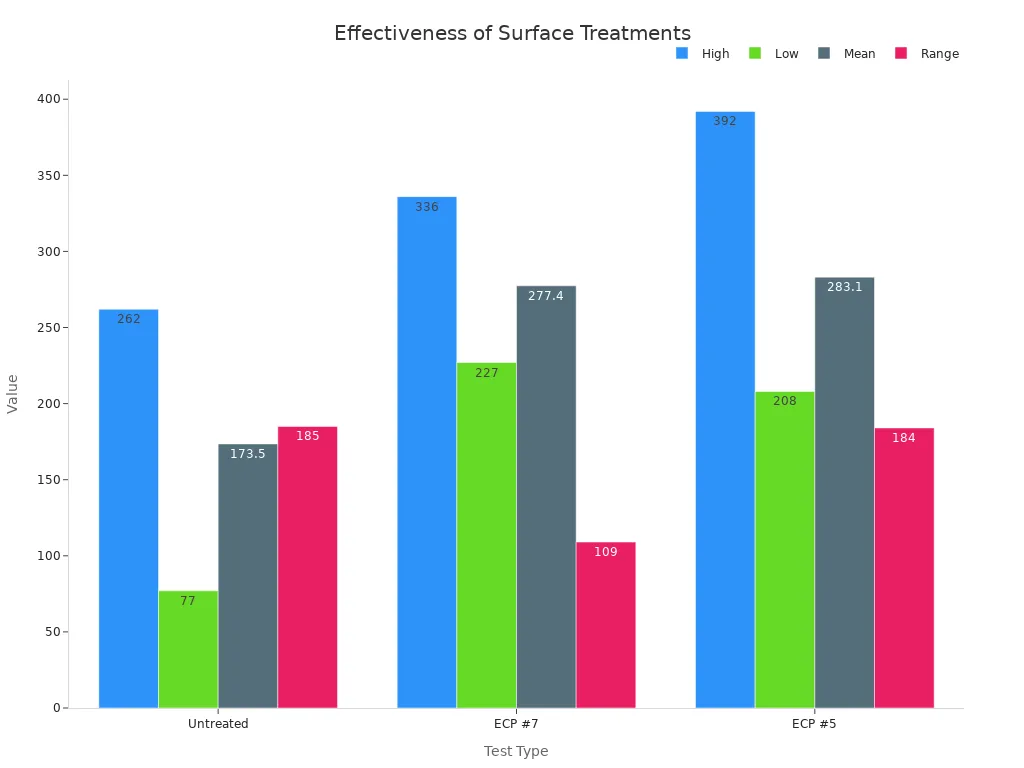
The chart above illustrates how different surface treatments (ECP #7 and ECP #5) significantly increase the mean hardness compared to an untreated surface. This demonstrates the effectiveness of surface modification in enhancing material properties.
Corrosion Resistance Testing
Corrosion resistance tests evaluate a treated surface's ability to withstand degradation in corrosive environments. Common methods include salt spray tests, immersion tests in various chemical solutions, and electrochemical corrosion tests. These tests simulate harsh conditions to predict the component's lifespan and performance in real-world applications.
Wear and Abrasion Resistance Testing
Wear and abrasion resistance tests assess how well a treated surface resists material loss due to friction or abrasive contact. Techniques like pin-on-disk, taber abrasion, and scratch tests are commonly employed. These tests provide quantitative data on the coating's durability and its ability to protect the underlying substrate from wear.
Future Trends in Surface Treatment for Tungsten Alloy Parts
The field of surface treatment constantly evolves. Researchers develop innovative methods to enhance material performance. These advancements promise even greater capabilities for critical components. Future trends focus on advanced coating technologies and sustainable processes.
Advanced Coating Technologies for Tungsten Alloy Parts
New coating technologies push the boundaries of material science. They offer superior protection and functionality. These innovations address demanding application requirements.
Nanostructured Coatings
Nanostructured coatings represent a significant leap forward. These coatings feature structures at the nanoscale. This design imparts exceptional properties. They offer strong wear resistance, low friction coefficients, and high hardness. Manufacturers can customize these coatings. They add elements like nitrogen, carbon, or boron for specific hardness or wear resistance. Molybdenum disulfide can reduce friction. This allows for tailored characteristics. Metallic nanocoatings, including pure tungsten or alloys, improve coating properties. They enhance wear resistance, corrosion resistance, heat stability, and durability. Examples include nitride coatings like titanium nitride, diamond-like carbon (DLC) coatings, and carbide coatings. These coatings are extremely robust. They resist extreme weather, corrosive conditions, and high temperatures. They also offer cost-effectiveness by lowering maintenance and replacement expenses.
Self-Healing Coatings
Self-healing coatings represent an exciting frontier. These materials can autonomously repair damage. They extend component lifespan and reduce maintenance needs. When a crack forms, the coating releases healing agents. These agents fill and seal the damage. This prevents further degradation. This technology holds immense potential for critical applications.
Sustainable Treatment Processes for Tungsten Alloy Parts
Sustainability drives innovation in surface treatment. New processes aim to minimize environmental impact. They reduce energy consumption and waste generation.
Environmentally Friendly Solutions
The industry increasingly adopts greener solutions. These methods reduce harmful emissions and waste. Low-temperature chemical vapor deposition (CVD) is one such advanced coating technology. Major aviation manufacturers widely adopt it for tungsten carbide. This CVD method is a closed-system, low-temperature technique. It uses minimal energy. This significantly reduces fugitive emissions. It also allows coating intricate geometries with minimal post-coating finishing. This differs from traditional methods. Pioneering CVD tungsten carbide coatings are free from harmful substances. They avoid materials like hexavalent chromium. These coatings offer exceptional resistance to wear, corrosion, and erosion. They improve equiPment efficiency and reduce emissions. This leads to less downtime and lower maintenance.
Reduced Energy Consumption and Waste
Sustainable processes prioritize efficiency. They aim to lower energy use during application. The unique CVD process creates a dense, pore-free layer. This layer uniformly coats surfaces. It extends component life. This reduces material waste and maintenance needs. These advancements contribute to a more environmentally responsible manufacturing future.
Surface treatment is indispensable for maximizing material potential. Strategic selection of these treatments drives innovation and performance across diverse industries. Continued research and development promise even greater advancements. These efforts will further optimize applications for critical components. Ningbo Jiehuang Chiyang provides one-stop Metal Parts solutions, leveraging extensive experience in custom metal part development, including powder metal manufacturing andmetal injection molding.
FAQ
What is the primary reason for surface treating tungsten alloy parts?
Surface treatment enhances tungsten alloy parts. It improves their inherent properties. This makes them suitable for specific applications. It also optimizes performance and extends lifespan.
What are some common methods for surface treating tungsten alloys?
Common methods include mechanical treatments like shot peening, chemical treatments like CVD, and coating techniques such as PVD and thermal spraying. Electrochemical and laser treatments are also utilized.
How does surface treatment enhance the durability of tungsten alloy parts?
Surface treatments create protective layers. These layers resist wear, corrosion, and abrasion. This reduces maintenance needs. It also increases operational reliability and extends the component's lifespan.
Can surface treatments modify the electrical properties of tungsten alloys?
Yes, specific surface treatments can optimize electrical conductivity. They can also create insulating layers. This precise control is crucial for advanced electronic and thermal management systems.
How do manufacturers select the right surface treatment for tungsten alloy parts?
Manufacturers consider several factors. These include the application environment, desired performance improvements, cost-effectiveness, and material compatibility. Rigorous testing evaluates treatment effectiveness.
What is Physical Vapor Deposition (PVD) in surface treatment?
PVD applies thin films by vaporizing a solid material in a vacuum. It then deposits the vapor onto a substrate. PVD coatings offer superior hardness, wear resistance, and low friction for various applications.
Are there environmentally friendly surface treatment options for tungsten alloys?
Yes, the industry increasingly adopts sustainable processes. These include low-temperature CVD methods. They reduce harmful emissions, minimize energy consumption, and decrease waste generation.
What advantages do HVOF coatings offer for tungsten alloy parts?
HVOF coatings provide exceptional density and high velocity. They are ideal for wear-critical and corrosion-resistant applications. These coatings often use tungsten carbide, offering superior hardness and protection.