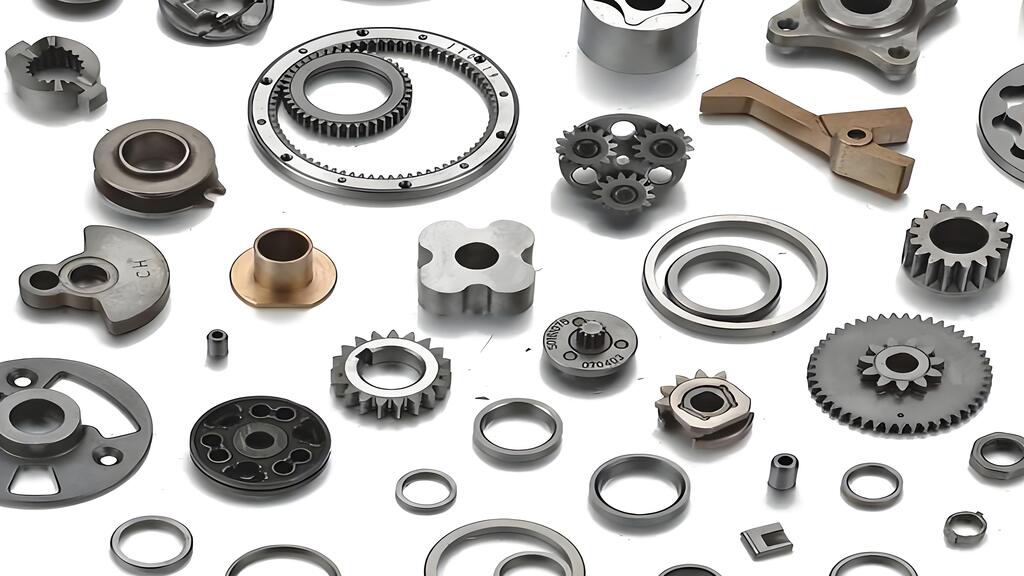


Zinc Plating vs Nickel Plating
Zinc plating and nickel plating serve distinct purposes in various industries. While zinc plating offers excellent corrosion resistance and is widely used in automotive and aerospace sectors, nickel plating provides superior durability and aesthetic appeal. Choosing the right plating type is crucial for ensuring optimal performance and longevity in applications. Factors such as corrosion resistance, durability, and temperature tolerance significantly influence this decision. For instance, the global consumption of Zinc Nickel Alloy Plating highlights its importance, with approximately 75,000 metric tons utilized annually.
Key Takeaways
- Zinc plating provides excellent corrosion resistance, making it ideal for outdoor applications.
- Nickel plating offers superior durability and wear resistance, suitable for high-performance components.
- Zinc plating is more cost-effective than nickel plating, making it a popular choice for large-scale applications.
- Consider environmental conditions when choosing plating; zinc may require additional coatings in humid areas.
- Nickel plating enhances the aesthetic appeal of products with its shiny, reflective finish.
- Regular maintenance, including gentle cleaning, extends the lifespan of both zinc and nickel-plated items.
- Zinc plating can corrode quickly in harsh environments, while nickel plating is more resilient to chemicals.
- Evaluate the specific needs of your project, such as durability and appearance, to choose the right plating type.
Zinc Plating
Definition and Process
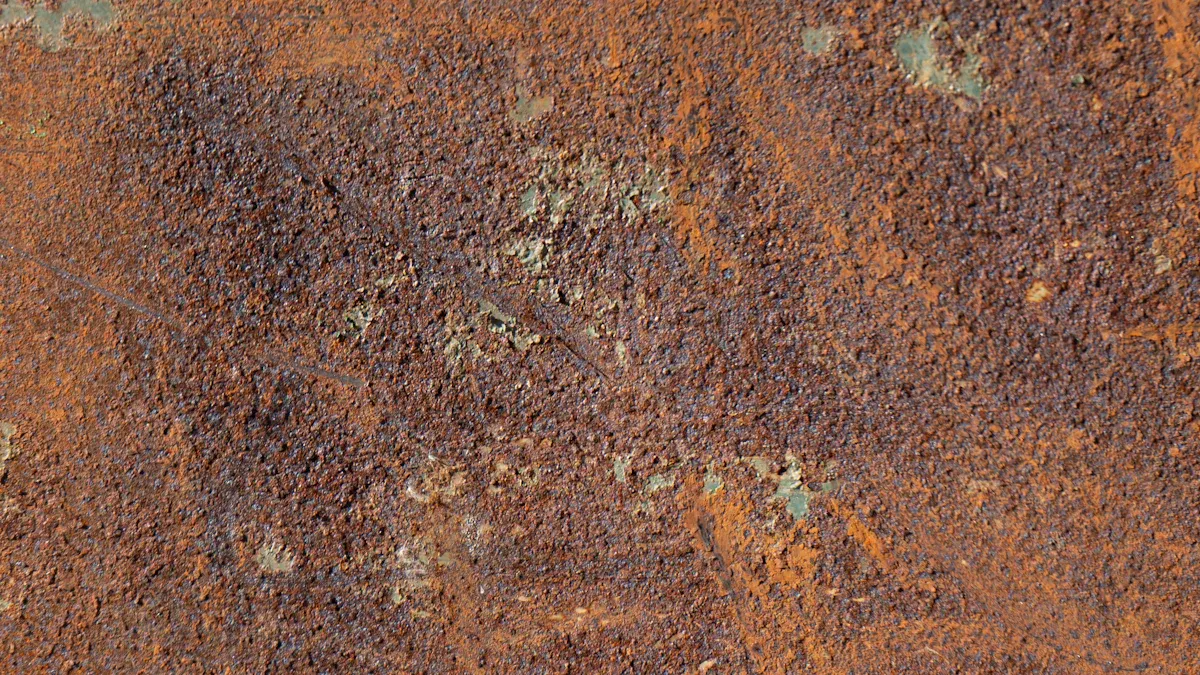
Zinc plating, also known as galvanization, involves applying a thin layer of zinc to a metal surface. This process enhances corrosion resistance and improves the durability of the underlying material. The zinc acts as a sacrificial anode, corroding before the base metal does. The zinc plating process typically follows these main steps:
- Cleaning (Degreasing): The workpiece undergoes thorough cleaning to eliminate oils, grease, and surface contaminants.
- Rinsing: After cleaning, the workpiece is rinsed to remove any residual cleaning agents.
- Pickling: The workpiece is immersed in an acid bath to remove rust, scale, or oxides.
- Activation: A mild acid solution activates the surface, preparing it for plating.
- Electroplating: The workpiece is immersed in a zinc electrolyte solution, where a direct current is applied to deposit zinc onto the surface.
- Passivation: A chromate or trivalent chromium solution is applied to enhance corrosion resistance.
- Drying: Finally, the workpiece is dried using methods like forced air, heat, or centrifugal drying.
Key Characteristics
Zinc plating exhibits several key characteristics that make it a popular choice for various applications:
- Corrosion Resistance: Zinc plating provides excellent protection against rust and corrosion, especially in harsh environments.
- Uniform Coating Thickness: The process ensures a consistent thickness of the zinc layer, which is crucial for reliable performance.
- Versatility: Zinc plating is suitable for various metal substrates and complex shapes, making it applicable across diverse industries.
- Cost-Effectiveness: Compared to alternatives like stainless steel, zinc plating offers a more affordable solution for corrosion protection.
Advantages of Zinc Plating
Zinc plating offers numerous advantages that contribute to its widespread use:
- Corrosion Protection: Zinc plating acts as a sacrificial layer, protecting the underlying metal from moisture and corrosive substances. This protection can extend the lifespan of components, slowing rusting for up to 30 years.
- Enhanced Aesthetics: The bright and attractive appearance of zinc-plated components enhances visual appeal, which is important for consumer goods and decorative items.
- Ductility and Durability: Zinc is malleable and lightweight, enhancing functionality without compromising strength.
- Easy Process: The zinc plating process is compatible with various methods, making it suitable for high-volume applications.
- Attractive Finishing Touch: Zinc plating is available in different colors and finishes, allowing for customization to meet branding needs.
Zinc plating not only protects metal components but also contributes to their overall performance and aesthetic value.
Disadvantages of Zinc Plating
Zinc plating, while beneficial in many applications, has several notable disadvantages that users should consider. These drawbacks can impact the performance and longevity of components in specific environments and applications.
-
Corrosion Vulnerability: Zinc plating can corrode rapidly in high-humidity environments. Prolonged exposure to moisture compromises the protective barrier of zinc plating. Regular maintenance becomes necessary to ensure its longevity in such conditions. Additional protective coatings may also be required to enhance durability.
-
Chemical Sensitivity: Zinc does not perform well against alkalis or acids. In environments where these substances are present, zinc plating may fail to provide adequate protection. This limitation can lead to premature degradation of the underlying metal.
-
Wear Resistance: Compared to nickel plating, zinc plating has lower wear resistance. The softer nature of zinc makes it more prone to wear and tear, which can reduce its protective capabilities over time. This characteristic renders zinc plating less suitable for high-friction applications where durability is essential.
-
Aesthetic Limitations: While zinc plating offers an attractive finish, it may not maintain its appearance over time, especially in harsh environments. Discoloration and dulling can occur, detracting from the visual appeal of the components.
Nickel Plating
Definition and Process
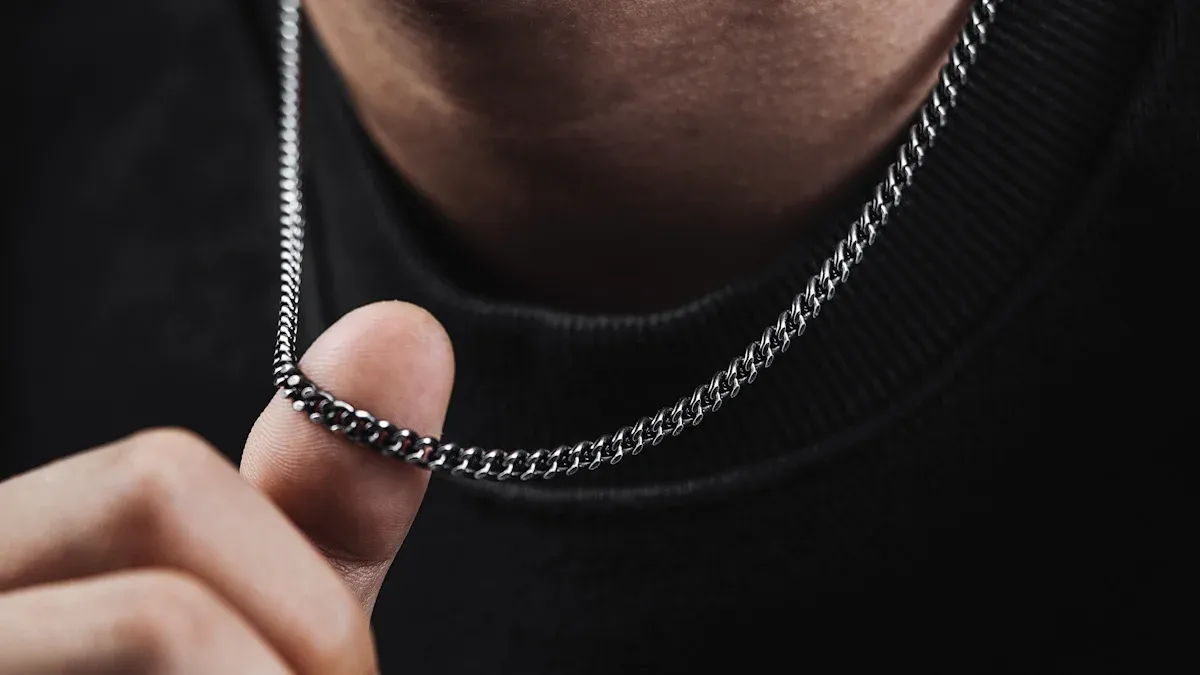
Nickel plating involves applying a thin layer of nickel onto a metal surface to enhance its properties. This process can be achieved through two primary methods: electroplating and electroless plating. The nickel plating process typically follows these main steps:
- Cleaning: Remove surface contaminants to ensure proper adhesion.
- Masking: Protect areas that should not be coated.
- Heat Treating: Enhance the bonding capabilities of the substrate.
- Pickling and Etching: Prepare the surface for better bonding.
- Plating Process: Deposit nickel ions onto the surface through electroplating or electroless plating.
During the nickel plating process, several chemical reactions occur. The following table summarizes these reactions:
| Reaction | Description |
|---|---|
| [I] H2PO2− + H2O → H2PO3− + 2H+ + 2e− | Reduction of hypophosphite, producing hydrogen ions and electrons. |
| [II] Ni2+ + 2e− → Ni | Nickel ions are reduced to nickel metal. |
| [III] 2H+ + 2e− → H2 | Hydrogen ions are reduced to hydrogen gas. |
| [IV] H2PO2− + 2H+ + e− → P + 2H2O | Hypophosphite is oxidized to phosphorus and water. |
| [V] H2PO2− + H2O → HPO32− + H+ + 2Hads | Catalytic dehydrogenation of hypophosphite. |
| [VI] 2Hads + Ni2+ → Ni + 2H+ | Active hydrogen reduces nickel ions at the catalyst surface. |
| [VII] H2PO2 + Hads → H2O + OH− + P | Reduction of hypophosphite to water and phosphorus. |
| [VIII] (H2PO2)2− + H2O → H+ + (HPO3)2− + H2 | Further reactions involving hypophosphite and water. |
Key Characteristics
Nickel plating possesses several key characteristics that make it a preferred choice in various applications:
- High Hardness: Nickel plating exhibits significantly higher hardness than zinc plating, enhancing its durability and resistance to wear.
- Corrosion Resistance: Nickel provides excellent protection against corrosion, making it suitable for harsh environments.
- Electrical Conductivity: Nickel is recognized for its high electrical and thermal conductivity, which is crucial for applications in aerospace and defense.
- Versatile Applications: Nickel plating is applicable to a wide range of substrates, including steel, brass, and aluminum.
Advantages of Nickel Plating
Nickel plating offers numerous advantages that contribute to its popularity in industrial applications:
-
Enhanced Wear Resistance: Nickel plating significantly improves the durability and wear resistance of components subjected to mechanical stress. This protective layer guards against abrasion and scratching, making it ideal for gears and tools.
-
Improved Aesthetics: Nickel plating provides a bright, shiny finish that enhances the visual appeal of components. This aesthetic quality is particularly valuable in consumer products and decorative items.
-
Long-lasting Performance: Unlike some decorative finishes, nickel does not chip or flake. This characteristic makes it particularly valuable in critical sectors like defense and aerospace, where reliability is paramount.
-
Heat Treatment Compatibility: The hardness achieved through nickel plating can be further enhanced with heat treatment, making it comparable to chromium deposits. This process allows nickel to bind with diamond composites and other hard materials, increasing overall hardness and reducing static friction.
-
Electrical Conductivity Improvement: Nickel plating enhances the electrical properties of raw materials. A thickness of over 0.75 μm leads to a dramatic increase in conductivity, making nickel an excellent choice for electrical applications.
Disadvantages of Nickel Plating
Nickel plating, while beneficial in many respects, also has its share of disadvantages that users must consider. These drawbacks can significantly impact the performance and longevity of components, especially in outdoor environments.
-
Adhesion Failure: Insufficient surface cleaning or improper zinc replacement treatment can lead to poor adhesion. This issue often results in the plating layer detaching from the substrate, compromising the protective benefits of nickel.
-
Plating Defects: Various factors during the nickel plating process can cause defects. These defects may become more pronounced in outdoor settings, where environmental conditions can exacerbate the issues. Common defects include pitting, roughness, and uneven coating thickness, which can undermine the overall effectiveness of the plating.
-
Cost Considerations: Nickel plating typically incurs higher initial costs compared to zinc plating. The materials and processes involved in nickel plating can be more expensive, which may deter some businesses from choosing this option, especially for large-scale applications.
-
Environmental Sensitivity: Nickel plating can be sensitive to certain environmental conditions. For instance, exposure to harsh chemicals or extreme temperatures can lead to degradation of the nickel layer. This sensitivity necessitates careful consideration of the operating environment when selecting nickel plating.
-
Limited Corrosion Resistance in Certain Conditions: While nickel plating offers good corrosion resistance, it may not perform well in highly corrosive environments, such as those with high levels of salt or acidic substances. In such cases, additional protective measures may be necessary to ensure the longevity of the plated components.
Performance Comparison
Corrosion Resistance
Corrosion resistance is a critical factor when choosing between zinc plating and nickel plating. Zinc plating, recognized under ASTM B633, provides a sacrificial barrier layer that protects the underlying metal from moisture and corrosive elements. This method excels in outdoor applications, offering superior salt spray resistance. In contrast, nickel plating performs well in controlled environments, demonstrating better chemical resistance and maintaining its appearance longer.
| Plating Type | Corrosion Resistance Description | Performance in Severe Environments |
|---|---|---|
| Zinc Plating | Provides sacrificial corrosion protection, acting as a barrier against moisture and corrosive elements. | Moderate |
| Zinc-Nickel Alloy | Offers enhanced resistance due to its composition, corroding at a much slower rate than zinc. | High |
Zinc-nickel coatings can withstand at least 500 hours of neutral salt spray testing without red rust, while regular zinc coatings typically last about 120 hours before corrosion appears. This significant difference highlights the importance of selecting the right plating type based on environmental conditions.
Temperature Tolerance
Temperature tolerance is another vital consideration. Zinc plating can withstand maximum operating temperatures of up to 500°F. However, nickel plating does not have a specified maximum temperature. Zinc-nickel coatings enhance protection against thermal stress, particularly in automotive applications where engines operate at higher temperatures. These coatings maintain corrosion resistance at temperatures up to 200°C, while traditional zinc coatings only withstand up to 120°C before losing their protective qualities.
| Surface Type | Maximum Operating Temperature |
|---|---|
| Zinc-Plated | 500°F |
| Nickel-Plated | Not specified |
Wear Resistance
Wear resistance is crucial for components subjected to friction and mechanical stress. Nickel plating excels in this area, offering excellent wear resistance, making it ideal for high-performance and moving parts. In contrast, zinc plating has lower wear resistance, rendering it less suitable for high-friction applications.
| Plating Type | Wear Resistance | Suitability for High-Friction Environments |
|---|---|---|
| Zinc Plating | Lower wear resistance | Less suitable |
| Nickel Plating | Excellent wear resistance | Excels in high-friction conditions |
- Zinc Plating: Less hard and wear-resistant, suitable for moderate wear applications.
- Nickel Plating: Harder, more scratch-resistant, and excels in friction and wear resistance.
Cost Analysis
Initial Costs
When evaluating the initial costs of zinc plating and nickel plating, businesses must consider several factors. The average cost for standard nickel plating typically ranges from $2 to $5 per square foot. For electroless nickel plating, the price increases significantly, ranging from $7 to $20 per square foot. In contrast, zinc plating generally offers a more economical solution, with costs often lower than those of nickel plating.
- Zinc Plating Costs:
- Generally lower than nickel plating.
- Offers a cost-effective option for large-scale applications.
Long-term Value
Long-term value encompasses not only the initial investment but also the durability and maintenance costs associated with each plating type. Zinc plating provides adequate corrosion resistance, but it may require additional protective coatings in harsh environments. This necessity can lead to increased maintenance costs over time.
On the other hand, nickel plating, while initially more expensive, often proves to be a better investment in the long run. Its superior wear resistance and durability reduce the need for frequent replacements or repairs. Therefore, businesses may find that the higher upfront costs of nickel plating yield significant savings over time due to its longevity and reduced maintenance requirements.
Cost Comparison
A direct cost comparison reveals distinct differences between zinc and nickel plating. The following table summarizes the average costs and long-term considerations:
| Plating Type | Initial Cost (per square foot) | Long-term Value Considerations |
|---|---|---|
| Zinc Plating | Lower (typically < $2) | Moderate durability; potential for higher maintenance costs in harsh environments. |
| Nickel Plating | Higher ($2 - $5 for standard; $7 - $20 for electroless) | Excellent durability; lower maintenance costs; better long-term investment. |
Aesthetic Considerations
Appearance and Finish
The appearance and finish of plated components significantly influence their marketability, especially in consumer electronics and decorative items. Zinc plating typically features a bright, shiny finish that can appear silver or bluish. This finish, while attractive, may exhibit a rougher texture compared to nickel plating. In contrast, nickel plating is known for its lustrous and reflective surface, often described as having a warmer tone. Many consider nickel plating more aesthetically pleasing, making it the preferred choice for applications where appearance is crucial. Furthermore, nickel plating tends to provide a smoother finish, enhancing the overall visual appeal of the product.
Color Options
Both zinc and nickel plating offer various color options, allowing manufacturers to tailor their products to specific market demands. In the jewelry industry, for instance, zinc plating can be customized with different finishes. Some popular options include:
- Antique Nickel
- Black Nickel: This option provides a darker tone with a modern feel, often used for outlining detailed designs.
Nickel plating also allows for a range of finishes, including bright, matte, and satin. These options enable designers to create unique looks that align with current trends and consumer preferences. The ability to choose from multiple colors and finishes enhances the versatility of both plating types, catering to diverse applications.
Impact on Branding
The choice between zinc and nickel plating can significantly impact branding strategies. Companies often prioritize aesthetics to create a strong brand identity. Products with a high-quality finish, such as those achieved through nickel plating, can convey a sense of luxury and reliability. This perception can enhance customer trust and loyalty.
Moreover, the visual appeal of a product can influence purchasing decisions. A well-finished item stands out on retail shelves, attracting potential buyers. Brands that invest in high-quality plating processes often benefit from increased sales and positive customer feedback. Therefore, selecting the appropriate plating type not only affects the product's performance but also plays a crucial role in shaping brand perception and market success.
Installation Guidelines
Application Methods
When applying zinc or nickel plating, several methods exist, each suited for specific applications. The most common methods include:
- Electroplating: This method uses an electric current to deposit metal ions onto the substrate. It is widely used for both zinc and nickel plating due to its efficiency and ability to create uniform coatings.
- Electroless Plating: This chemical process deposits metal without the need for electrical current. It provides excellent coverage, especially in complex geometries, making it ideal for intricate parts.
- Hot-Dip Galvanizing: Primarily used for zinc plating, this method involves immersing the metal in molten zinc. It creates a thick coating, offering robust corrosion protection.
Tip: Choose the application method based on the specific requirements of the project, such as the desired thickness, coating uniformity, and substrate geometry.
Surface Preparation
Proper surface preparation is crucial for achieving optimal adhesion and performance of the plating. The following steps are essential:
- Cleaning: Remove all contaminants, including oils, grease, and dirt. Use solvents or alkaline cleaners to ensure a clean surface.
- Rinsing: Thoroughly rinse the cleaned surface to eliminate any residual cleaning agents.
- Pickling: For metals prone to oxidation, pickling in an acid solution removes rust and scale. This step enhances the surface's reactivity, promoting better adhesion.
- Activation: A mild acid solution can activate the surface, preparing it for plating. This step is particularly important for nickel plating, as it ensures a strong bond.
Post-application Treatments
After plating, several treatments can enhance the performance and longevity of the coated components:
- Passivation: This process involves applying a chemical treatment to the plated surface. It forms a protective layer that improves corrosion resistance, especially for zinc plating.
- Heat Treatment: For nickel plating, heat treatment can increase hardness and improve wear resistance. This step is beneficial for components subjected to mechanical stress.
- Sealing: Applying a sealant can further protect the plated surface from environmental factors. This treatment is especially useful in outdoor applications where exposure to moisture and chemicals is a concern.
Note: Implementing these post-application treatments can significantly extend the lifespan of plated components, ensuring they perform optimally in their intended environments.
By following these installation guidelines, manufacturers can ensure that their zinc and nickel plated components achieve maximum performance and durability.
Maintenance Requirements
Care and Cleaning
Proper care and cleaning are essential for maintaining the integrity of both zinc and nickel plating. Regular maintenance helps prolong the lifespan of plated components. Here are some recommended practices:
- Gentle Cleaning: Use a soft cloth or sponge with mild soap and water to clean the surface. Avoid abrasive materials that can scratch the plating.
- Avoid Harsh Chemicals: Steer clear of strong acids or alkaline cleaners. These substances can damage the plating and compromise its protective qualities.
- Rinse Thoroughly: After cleaning, rinse the components with clean water to remove any soap residue. Residual cleaning agents can lead to corrosion over time.
Tip: Regular inspections and cleaning can prevent the buildup of contaminants that may lead to premature wear or corrosion.
Longevity and Durability
The longevity and durability of plated components depend on several factors, including the environment in which they operate. Nickel plating generally offers superior durability compared to zinc plating. Here are some key points to consider:
- Environmental Conditions: Components exposed to harsh environments, such as high humidity or corrosive chemicals, may experience reduced longevity. Nickel plating provides better resistance in these conditions.
- Thickness of Coating: Thicker coatings typically enhance durability. Manufacturers should consider the required thickness based on the intended application.
- Maintenance Practices: Regular maintenance, including cleaning and inspections, significantly contributes to the longevity of both zinc and nickel plating. Neglecting maintenance can lead to premature failure.
| Plating Type | Longevity Expectation | Recommended Maintenance Frequency |
|---|---|---|
| Zinc Plating | 5-10 years | Every 6 months |
| Nickel Plating | 10-20 years | Annually |
Signs of Wear
Recognizing signs of wear early can prevent further damage and extend the life of plated components. Users should be vigilant for the following indicators:
- Discoloration: Changes in color, especially dulling or fading, may signal wear. This is particularly common in zinc plating.
- Peeling or Flaking: Any visible peeling or flaking of the plating indicates a failure in adhesion. This issue requires immediate attention to prevent corrosion of the underlying metal.
- Surface Roughness: A rough texture can develop over time, especially in high-friction applications. This change may affect the component's performance and should prompt a thorough inspection.
Note: Regular monitoring for these signs can help users take proactive measures, ensuring optimal performance and longevity of plated components.
By adhering to these maintenance requirements, users can maximize the effectiveness of zinc and nickel plating, ensuring their components remain functional and visually appealing for years to come.
In summary, zinc plating and nickel plating serve distinct purposes. Zinc plating excels in corrosion resistance and cost-effectiveness, making it suitable for outdoor applications. Nickel plating offers superior durability and aesthetic appeal, ideal for high-performance and decorative items.
FAQ
What is the primary purpose of zinc plating?
Zinc plating primarily protects metal surfaces from corrosion. It acts as a sacrificial layer, corroding before the underlying metal does, thus extending the lifespan of components.
How does nickel plating differ from zinc plating?
Nickel plating offers superior durability and wear resistance compared to zinc plating. It also provides a more aesthetically pleasing finish, making it suitable for decorative applications.
Can zinc plating be used in outdoor environments?
Yes, zinc plating is suitable for outdoor use. However, it may require additional protective coatings in high-humidity or corrosive environments to enhance its longevity.
What are the typical applications for nickel plating?
Nickel plating is commonly used in automotive, aerospace, and electronics industries. Its excellent wear resistance and corrosion protection make it ideal for high-performance components.
How do I maintain zinc-plated items?
To maintain zinc-plated items, clean them regularly with mild soap and water. Avoid harsh chemicals and inspect for signs of wear or corrosion to ensure longevity.
Is nickel plating more expensive than zinc plating?
Yes, nickel plating generally incurs higher initial costs than zinc plating. However, its durability and lower maintenance needs can provide better long-term value.
What factors should I consider when choosing between zinc and nickel plating?
Consider factors such as corrosion resistance, wear resistance, aesthetic requirements, and cost. The specific application and environmental conditions also play a crucial role in the decision.
How can I tell if a component is zinc or nickel plated?
Zinc-plated components typically have a brighter, bluish finish, while nickel-plated items exhibit a shiny, reflective surface. Discoloration or dulling may indicate wear in zinc plating.