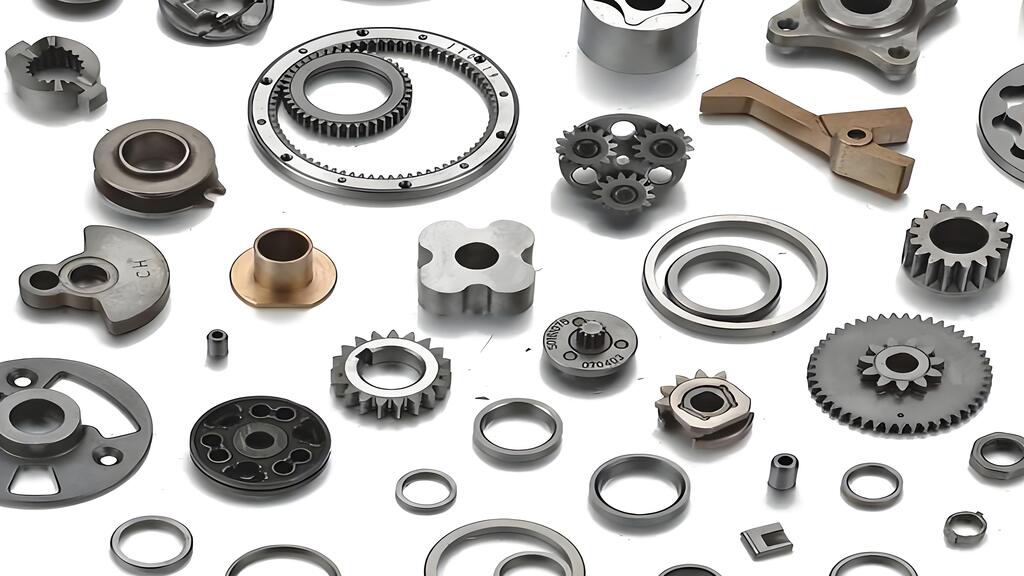


What industries use powder metallurgy the most?
Powder Metallurgy plays a crucial role in modern manufacturing. This process allows industries to produce components with intricate shapes and superior material properties. Manufacturers leverage powder metallurgy for its efficiency in creating high-performance parts. The versatility of this technique enables its application across various sectors, making it a preferred choice for producing durable and reliable components.
Key Takeaways
- Powder metallurgy is crucial for producing high-quality components across various industries.
- The automotive sector benefits from powder metallurgy for engine and transmission parts, enhancing performance and reducing costs.
- Aerospace applications utilize powder metallurgy for turbine blades and structural components, focusing on weight reduction and fuel efficiency.
- In the medical field, powder metallurgy produces biocompatible surgical instruments and implants, improving patient safety and outcomes.
- The electronics industry relies on powder metallurgy for high-performance magnetic components and connectors, ensuring reliability and efficiency.
- Powder metallurgy enhances tooling and machinery by creating durable cutting tools and molds with minimal waste.
- The energy sector uses powder metallurgy for components in fuel cells and wind turbines, contributing to sustainability and performance.
- Overall, powder metallurgy achieves high material utilization rates, allowing for complex geometries and reduced environmental impact.
Powder Metallurgy in the Automotive Industry
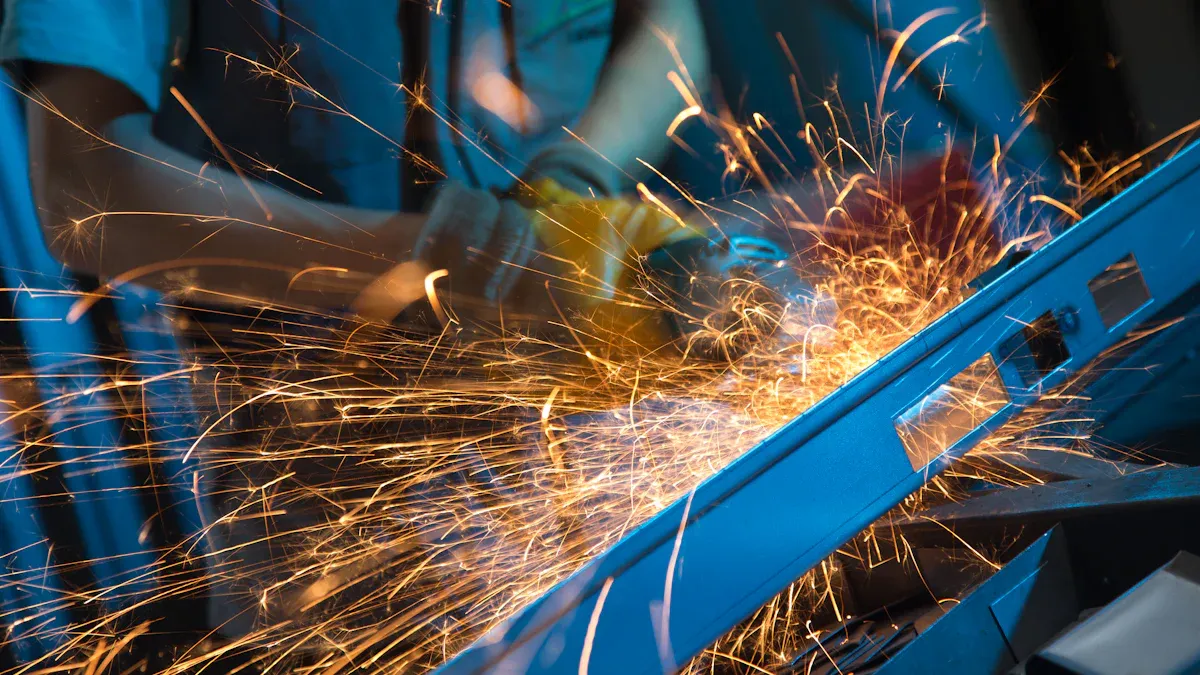
The automotive industry heavily relies on powder metallurgy for producing high-quality components. This manufacturing process offers significant advantages, including cost efficiency and enhanced material properties.
Engine Components
In automotive engines, powder metallurgy plays a vital role in creating various components. Manufacturers often use materials such as:
- Iron and iron-based alloys: Strong and economical, widely used in automotive applications.
- Carbon steel and low-alloy steel: Offers hardness and toughness for gears and bearings.
- Stainless steel: Corrosion-resistant, suitable for various components.
- Copper and copper alloys: Good conductivity, used in electrical components.
- Aluminum: Lightweight and non-corrosive, applicable in automotive and aerospace.
- Nickel: Provides corrosion and wear resistance.
- Titanium: Known for its strength-to-weight ratio, used in high-performance applications.
These materials contribute to the durability and efficiency of engine components, ensuring optimal performance under demanding conditions.
Transmission Parts
Powder metallurgy significantly enhances the production of transmission parts. The benefits of this process include:
| Benefit | Description |
|---|---|
| Total production cost reduction | Significantly lowers costs, especially in large-scale manufacturing. |
| Near-net-shape production | Minimizes or eliminates the need for machining. |
| Reduced labor and processing time | Decreases the time and labor required per part. |
| Lower scrap rates | Generates less waste compared to traditional subtractive methods. |
| Economical for long runs | Cost-effective once tooling is amortized for high-volume production. |
These advantages lead to improved strength and impact energy through advanced Sintering. Enhanced mechanical performance makes parts stronger and more reliable. Additionally, manufacturers can customize material properties for specific applications, including controlled porosity for self-lubrication.
Structural Components
Structural components in vehicles benefit from powder metallurgy due to its ability to produce complex geometries. This process allows for the creation of lightweight yet strong parts, which contribute to overall vehicle efficiency. The use of powder metallurgy in structural components also supports sustainability initiatives by achieving material utilization rates of up to 97%. This results in minimal waste compared to traditional machining methods, reducing environmental impact while lowering costs.
Powder Metallurgy in the Aerospace Industry
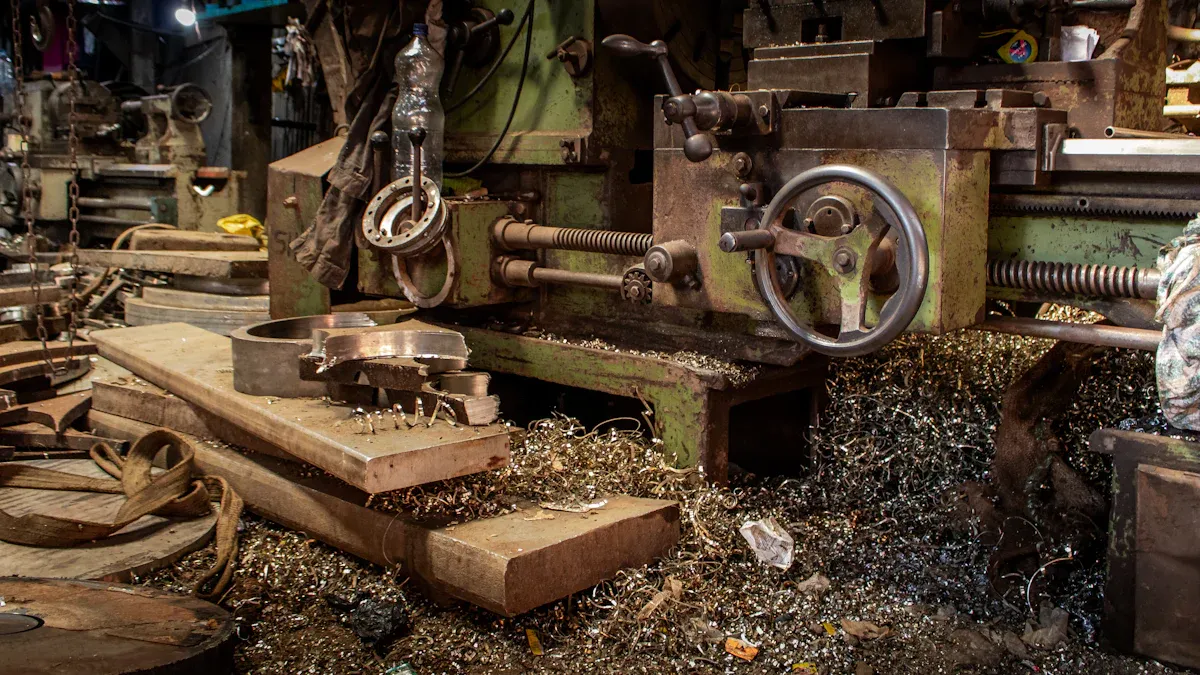
The aerospace industry significantly benefits from powder metallurgy due to its ability to produce components that meet stringent performance requirements. This sector demands high strength-to-weight ratios, making powder metallurgy an ideal choice for various applications.
Turbine Blades
Turbine blades are critical components in jet engines, where they endure extreme temperatures and high stress. Powder metallurgy offers several advantages for manufacturing these blades:
| Property | Powder Metallurgy | Casting |
|---|---|---|
| Microstructure | More uniform microstructure | Can suffer from segregation and porosity |
| Mechanical Properties | Consistent mechanical properties | Higher tensile and yield strength |
| Surface Finish | Finer surface finish (Ra of 1.6 µm) | Generally rougher surface finish |
| Dimensional Accuracy | High accuracy (± 0.04 mm) | Lower accuracy, especially in sand casting |
| Material Selection | Wider range of materials available | Limited material options |
| Environmental Impact | Lower energy consumption and waste | Higher energy consumption |
The high strength-to-weight ratio achieved through powder metallurgy enhances fuel efficiency and overall performance in aerospace applications. Additionally, advanced cooling channels created through this process improve the longevity and efficiency of turbine components compared to traditional manufacturing methods.
Structural Components
In the aerospace sector, reducing aircraft weight is crucial for enhancing fuel efficiency and lowering operating costs. Powder metallurgy provides lightweight components with high strength-to-weight ratios, making it suitable for various structural applications. The use of powder metallurgy techniques, such as metal injection molding and additive manufacturing, allows for the creation of complex parts that can withstand extreme conditions.
- The aerospace industry increasingly focuses on weight reduction to improve fuel efficiency.
- Powder metallurgy contributes significantly to the overall weight reduction of aircraft, resulting in fuel savings and reduced emissions.
These benefits align with the industry's sustainability goals, as powder metallurgy achieves material utilization rates of up to 97%, minimizing waste compared to traditional machining methods.
Fasteners
Fasteners play a vital role in assembling aircraft components. Powder metallurgy enables the production of high-strength fasteners that meet rigorous aerospace standards. The AS9100D certification ensures compliance with stringent defense requirements, making powder metallurgy a reliable choice for military aircraft manufacturing. The ability to customize material properties further enhances the performance and reliability of fasteners used in critical applications.
Powder Metallurgy in the Medical Industry
The medical industry increasingly adopts powder metallurgy for its ability to produce high-quality, biocompatible components. This manufacturing process enhances the performance and reliability of medical devices and instruments.
Surgical Instruments
Powder metallurgy plays a significant role in the production of surgical instruments. Manufacturers favor materials that offer strength and corrosion resistance. Common materials include:
- Stainless Steel: Known for its hardness and wear resistance.
- Titanium: Offers excellent biocompatibility and strength.
- Cobalt Chrome: Provides corrosion resistance and compatibility with bodily tissues.
These materials ensure that surgical instruments maintain their integrity and performance during procedures, contributing to patient safety and successful outcomes.
| Material | Properties |
|---|---|
| Stainless Steel | Hardness, wear resistance |
| Titanium | Hardness, wear resistance |
Implants
In the realm of medical implants, powder metallurgy enhances biocompatibility and mechanical properties. Various alloys are utilized to meet specific application requirements. For instance:
- Orthopedic implants: Titanium alloy (Ti-6Al-4V) and cobalt-chromium alloy (CoCrMo) are commonly used for artificial joints. Stainless steel and titanium alloy powders serve well for bone plates and screws.
- Dental field: Titanium and titanium alloy powders are preferred for dental implants due to their biocompatibility and corrosion resistance.
- Cardiovascular devices: Titanium powder is often used for pacemaker housings, while nickel-titanium alloy powders are utilized for stents, adapting to blood vessel shapes.
These materials ensure that implants integrate well with the human body, promoting healing and functionality.
Dental Applications
Powder metallurgy techniques have revolutionized dental applications, allowing for the production of precise and durable components. Two common techniques include:
| Technique | Description | Applications in Dental |
|---|---|---|
| Metal Injection Molding (MIM) | Involves melting metal powder and injecting it into a mold. | Screw dental implants, ultrasonic endodontic tools, scaler tips. |
| Direct Metal Laser Sintering (DMLS) | Uses a laser to melt metal powder layer by layer to create parts. | Crown copings, bridge frameworks. |
DMLS, in particular, allows for rapid production of dental prostheses, with a speed of approximately three minutes per crown. This technique can create complex geometries directly from 3D CAD data, resulting in high accuracy and excellent mechanical properties.
The integration of powder metallurgy in the medical industry not only enhances the performance of surgical instruments and implants but also supports the development of innovative solutions that improve patient care.
Powder Metallurgy in the Electronics Industry
The electronics industry increasingly adopts powder metallurgy for its ability to produce high-performance components. This manufacturing process enhances the efficiency and reliability of various electronic parts.
Magnetic Components
Powder metallurgy plays a significant role in the production of magnetic components. Manufacturers utilize this technique to create soft magnetic materials, which are essential for transformers, inductors, and magnetic sensors. The process allows for precise control over the material's magnetic properties, ensuring optimal performance in electronic applications.
- Benefits of Powder Metallurgy for Magnetic Components:
- Improved magnetic permeability
- Reduced eddy current losses
- Enhanced thermal stability
These advantages lead to more efficient electronic devices, contributing to the overall performance of systems such as electric vehicles and renewable energy technologies.
Connectors
Connectors are crucial in electronic devices, facilitating communication between different components. Powder metallurgy offers several benefits for manufacturing connectors, making it a preferred choice in the industry.
| Benefit | Description |
|---|---|
| High Precision | Powder metal parts deliver high precision, tight tolerances, and complex geometries. |
| Material Efficiency | Ensures exceptional material efficiency, using up to 97% of raw material with minimal scrap. |
| Design Flexibility | Customizable properties, including porosity for self-lubrication or weight reduction. |
| Consistent Quality | The process can create near-net shapes and intricate parts with good dimensional properties. |
| Enhanced Performance Properties | The microstructure of sintered components can be controlled precisely, improving wear resistance, strength, and thermal stability. |
These characteristics make powder metallurgy an ideal solution for producing connectors that meet the demanding requirements of modern electronics.
Heat Sinks
Heat sinks are essential for managing thermal performance in electronic devices. Powder metallurgy enables the production of heat sinks with complex geometries that enhance heat dissipation. The ability to create intricate designs allows for increased surface area, improving cooling efficiency.
- Key Advantages:
- Lightweight construction
- High thermal conductivity
- Customizable shapes for specific applications
By utilizing powder metallurgy, manufacturers can produce heat sinks that effectively manage heat, ensuring the longevity and reliability of electronic components.
Powder Metallurgy in Tooling and Machinery
Powder metallurgy plays a significant role in the tooling and machinery sector, enhancing the performance and durability of various components. This manufacturing process allows for the production of high-quality cutting tools, molds, dies, and wear parts that meet the rigorous demands of industrial applications.
Cutting Tools
Cutting tools manufactured through powder metallurgy exhibit remarkable durability and performance. The process allows for the creation of tools with controlled porosity, which enables self-lubrication and reduces noise during operation. The following table highlights the benefits of using powder metallurgy for cutting tools:
| Benefit | Description |
|---|---|
| Controlled porosity | Enables self-lubrication and noise reduction |
| Improved wear resistance | Enhances surface durability, crucial for cutting tools |
| Alloy customization | Tailors strength, hardness, or thermal properties as needed |
| Performance tuning | Achieves desired properties without secondary assembly steps |
These advantages lead to enhanced performance properties and improved wear resistance, making powder metallurgy a preferred choice for cutting tool manufacturers.
Molds and Dies
In the production of molds and dies, powder metallurgy offers several advantages that streamline manufacturing processes. The following table outlines these benefits:
| Advantage | Description |
|---|---|
| Cost-effectiveness | Powder metal parts form at room temperature and sinter at lower temperatures, consuming less fuel. |
| Material Utilization | Achieves over 95% material utilization, allowing for the reuse of defective green compact. |
| Precise Forming Ability | Realizes high precision with tolerances as tight as 0.13% to 0.20%, consistent with ISO standards. |
| Batch to Batch Consistency | Ensures high consistency across batches due to controlled parameters. |
| Less Secondary Processing | Shortens production time and decreases costs by forming metal powder products with a single press. |
These features make powder metallurgy an efficient method for producing molds and dies, ensuring high-quality components with minimal waste.
Wear Parts
Wear parts are essential in machinery, and powder metallurgy is frequently used to manufacture them. The following list highlights common wear parts produced using this technique:
- Gears, sprockets, and timing components for engines and transmissions
- Bearings and bushings with self-lubricating properties
- Cams, rollers, and followers subjected to repeated motion
- Wear-resistant parts used in material handling and processing equipment
The durability and performance of wear parts produced through powder metallurgy significantly enhance the efficiency and longevity of machinery, making it a vital process in the tooling and machinery industry.
Powder Metallurgy in the Energy Sector
The energy sector increasingly utilizes powder metallurgy to enhance the performance and efficiency of various components. This manufacturing process plays a significant role in applications such as fuel cells, wind turbines, and nuclear energy systems.
Fuel Cells
Powder metallurgy contributes significantly to the efficiency of fuel cells. Metal powders serve as key materials for energy storage systems, enhancing both energy density and efficiency. Manufacturers can optimize properties like particle size and morphology to improve energy storage capacity. This optimization directly impacts the overall efficiency of fuel cells.
Additionally, studies show that solid oxide fuel cell (SOFC) interconnects produced through powder metallurgy outperform those made using traditional machining methods. These interconnects exhibit enhanced corrosion resistance, which is vital for the longevity and efficiency of fuel cells.
Wind Turbine Components
Wind turbines rely on durable components to withstand harsh environmental conditions. Powder metallurgy provides several materials that enhance the performance of these components. The following table outlines key materials used in wind turbine applications:
| Material Type | Properties | Application in Wind Turbines |
|---|---|---|
| Iron-based powders | Improved wear resistance | Used in brake pads for yaw and high-speed shaft braking systems |
| Copper-based powders | Exceptional thermal stability | Critical for reliability under extreme mechanical stress in turbines |
These materials ensure that wind turbine components maintain their integrity and performance, even under significant mechanical stress.
Nuclear Applications
In the nuclear energy sector, safety and performance are paramount. Powder metallurgy allows for the production of Micro-Melt NeutroSorb alloys, which offer improved ductility compared to conventional borated stainless steels. This enhancement is crucial for safety in nuclear storage systems.
These alloys can contain higher levels of boron, which improves thermal neutron absorption capabilities. The manufacturing process results in a uniform distribution of boride particles, leading to better mechanical properties than traditional methods. This advancement enhances the overall safety and performance of nuclear applications.
By leveraging powder metallurgy, the energy sector can produce components that not only meet stringent performance requirements but also contribute to sustainability goals.
Powder metallurgy is essential across multiple industries, providing efficient manufacturing solutions and enhancing material properties. This process achieves tight tolerances and high density, which improves durability for demanding applications. Key benefits include:
- High reproducibility through precise dies.
- Material utilization rates reaching up to 97%, minimizing waste.
- The ability to create complex geometries that traditional methods struggle to achieve.
As industries evolve, powder metallurgy will continue to play a pivotal role in meeting the growing demands for innovative and sustainable manufacturing practices.
FAQ
What is powder metallurgy?
Powder metallurgy is a manufacturing process that involves creating metal parts from powdered materials. It allows for the production of complex shapes and high-performance components through techniques like pressing and sintering.
What are the main advantages of powder metallurgy?
Key advantages include high material utilization rates, reduced waste, the ability to create intricate geometries, and enhanced mechanical properties. This process also lowers production costs for high-volume manufacturing.
Which industries benefit the most from powder metallurgy?
Industries such as automotive, aerospace, medical, electronics, tooling, and energy sectors extensively use powder metallurgy. Each sector leverages its unique advantages for producing specialized components.
How does powder metallurgy improve component performance?
Powder metallurgy enhances performance by allowing precise control over material properties, achieving tight tolerances, and enabling the creation of parts with superior strength and durability compared to traditional methods.
Can powder metallurgy be used for custom parts?
Yes, powder metallurgy is highly adaptable for custom parts. Manufacturers can tailor material properties and geometries to meet specific application requirements, making it ideal for specialized components.
What materials are commonly used in powder metallurgy?
Common materials include iron, steel, titanium, copper, and various alloys. These materials are chosen based on their mechanical properties and suitability for specific applications.
Is powder metallurgy environmentally friendly?
Powder metallurgy is considered environmentally friendly due to its high material utilization rates, which minimize waste. Additionally, the process often requires less energy compared to traditional manufacturing methods.
How does the sintering process work in powder metallurgy?
Sintering involves heating compacted metal powders to a temperature below their melting point. This process causes particles to bond together, resulting in a solid component with enhanced strength and density.